
Our Location
304 North Cardinal St.
Dorchester Center, MA 02124

New to incense? Here's how to choose incense sticks, which scents suit which rooms, how to burn them safely, and what the difference is between sticks, cones and backflow.
Incense is the cheapest way to change how a room feels. A single stick can make a hallway smell like a temple, a bedroom smell like a spa, or a living room smell like an autumn evening. It’s also one of the easiest things to get wrong — the wrong scent in the wrong room is genuinely unpleasant, and badly burned incense is worse than none at all.
This guide covers what you actually need to know to start: types, scents, safety, and how to avoid the three mistakes nearly everyone makes.
The familiar bamboo-cored sticks. They’re consistent, cheap, and burn for 25–45 minutes. The bamboo gives a faint woody smell underneath the fragrance, which most people don’t notice. This is the right choice for beginners.
No bamboo core, so the scent is purer and the burn is shorter (15–20 minutes). They need a proper holder because the ash falls straight down.
The theatrical option. A backflow cone is hollow in the middle so the smoke is pulled downwards instead of up, cascading over a small waterfall burner. It’s less about scent and more about watching the smoke — a genuinely good desk or meditation piece.
| Scent | Character | Best for |
|---|---|---|
| Sandalwood | Warm, woody, dry | Meditation, altars, study |
| Palo santo | Sweet, citrus, smoky | Cleansing a room, mornings |
| Sage | Herbal, sharp, clean | Cleansing, kitchens, entryways |
| Lavender | Floral, soft, calming | Bedrooms, evening wind-down |
| Patchouli | Earthy, heavy, sweet | Living rooms, autumn and winter |
| Vanilla / amber | Warm, sweet, cosy | Any room in winter |
| Jasmine | Floral, heady | Hallways, entertaining spaces |
| Dragon’s blood | Sweet, resinous, strong | Ritual use, not everyday |
A safe starter set is one cleansing scent (sage or palo santo), one calming scent (lavender or sandalwood) and one warm scent (vanilla or patchouli).
Burning the wrong scent for the room. A heavy patchouli in a bathroom is a mistake. Match intensity to room size: small rooms get soft scents, open-plan spaces can take more.
Using too much at once. One stick is plenty. Two in a small room will be overpowering, and you’ll stop noticing the scent within ten minutes anyway.
Buying the cheapest option. Cheap incense is often made with bamboo dust and synthetic binders, and it smells like it. A mid-priced pack from a proper brand lasts longer and smells better.
If you’re using incense as part of a practice rather than just for scent, the tradition matters more than the brand. Sage, palo santo and cedar are the classic cleansing choices — our smudging guide covers how to cleanse a space properly. Resins like frankincense and myrrh have been used for thousands of years and still suit a dedicated altar. For more on building the space itself, the beginner’s altar guide is a good next step.
Scent also pairs with candle work — our guide to candle magic and colour meanings explains how the two are used together.
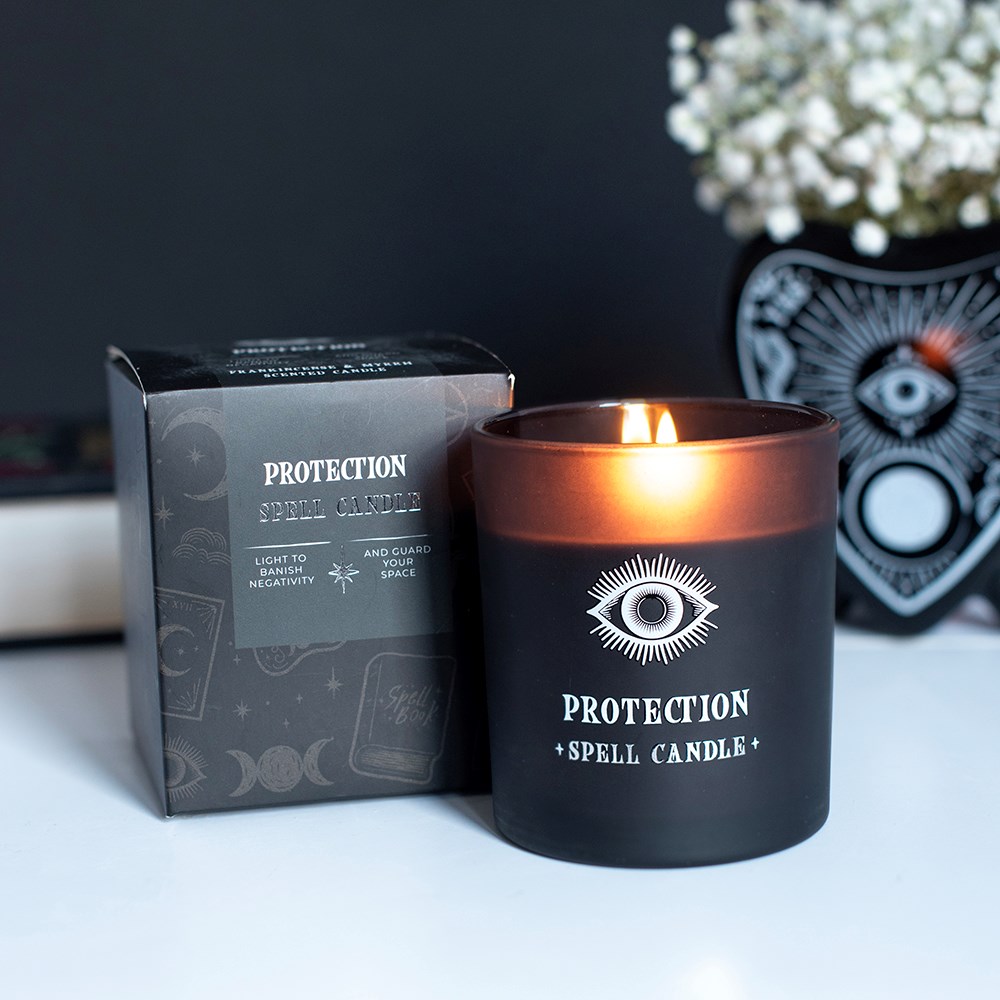
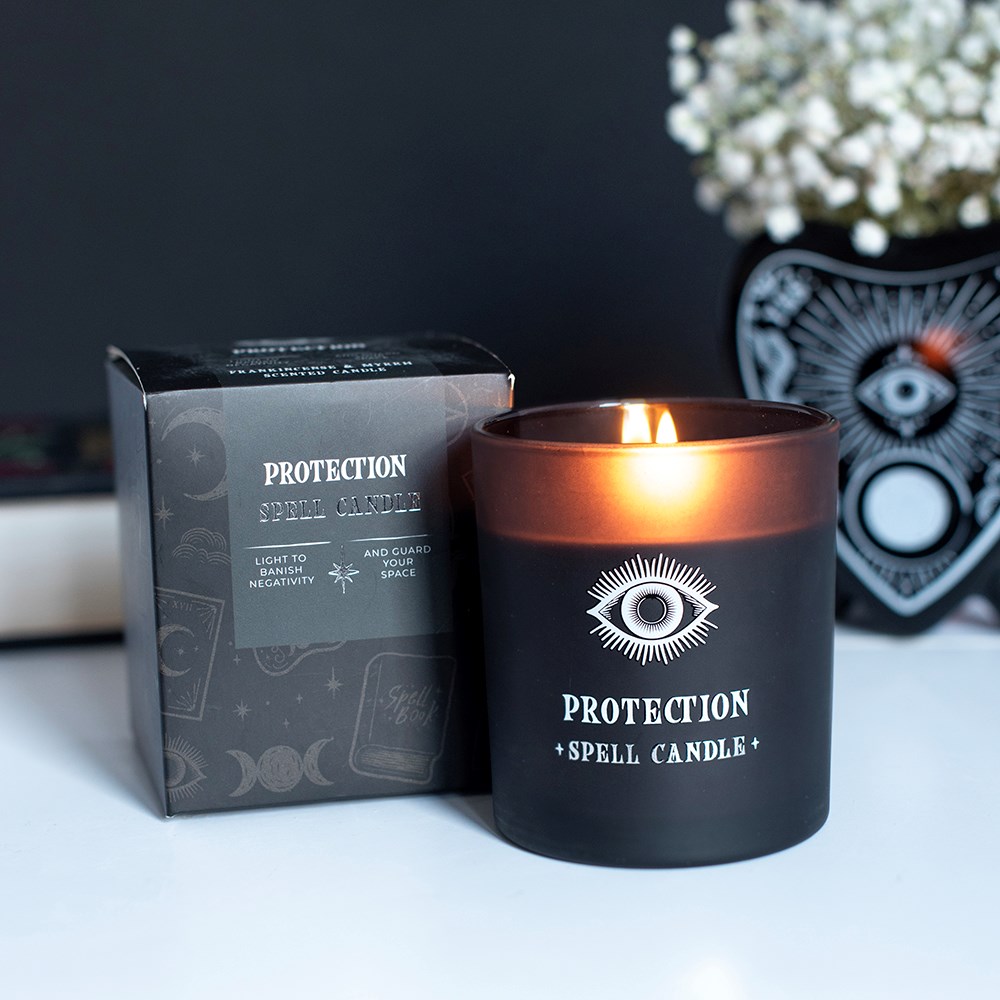 Protection Frankincense & Myrrh Scented Candle£9.99Shop Now
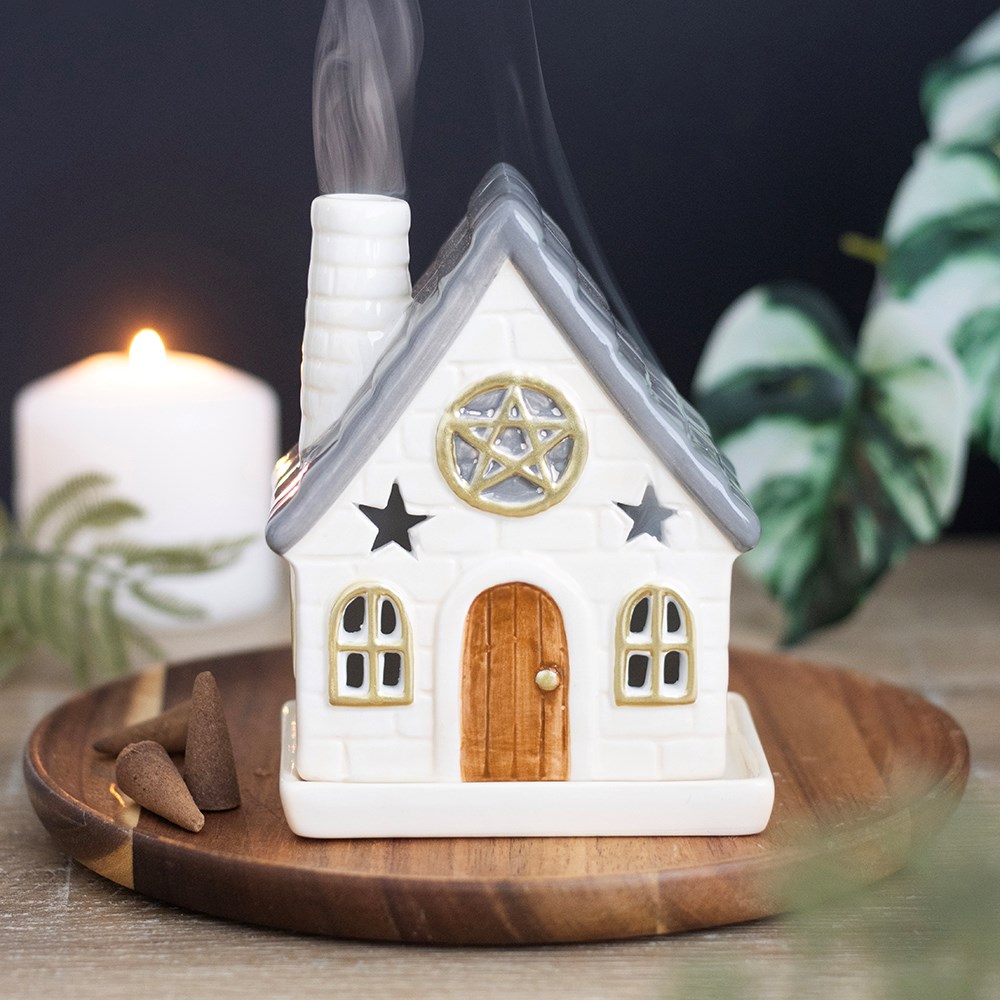 Stone Cottage Incense Cone Holder£9.99Shop Now
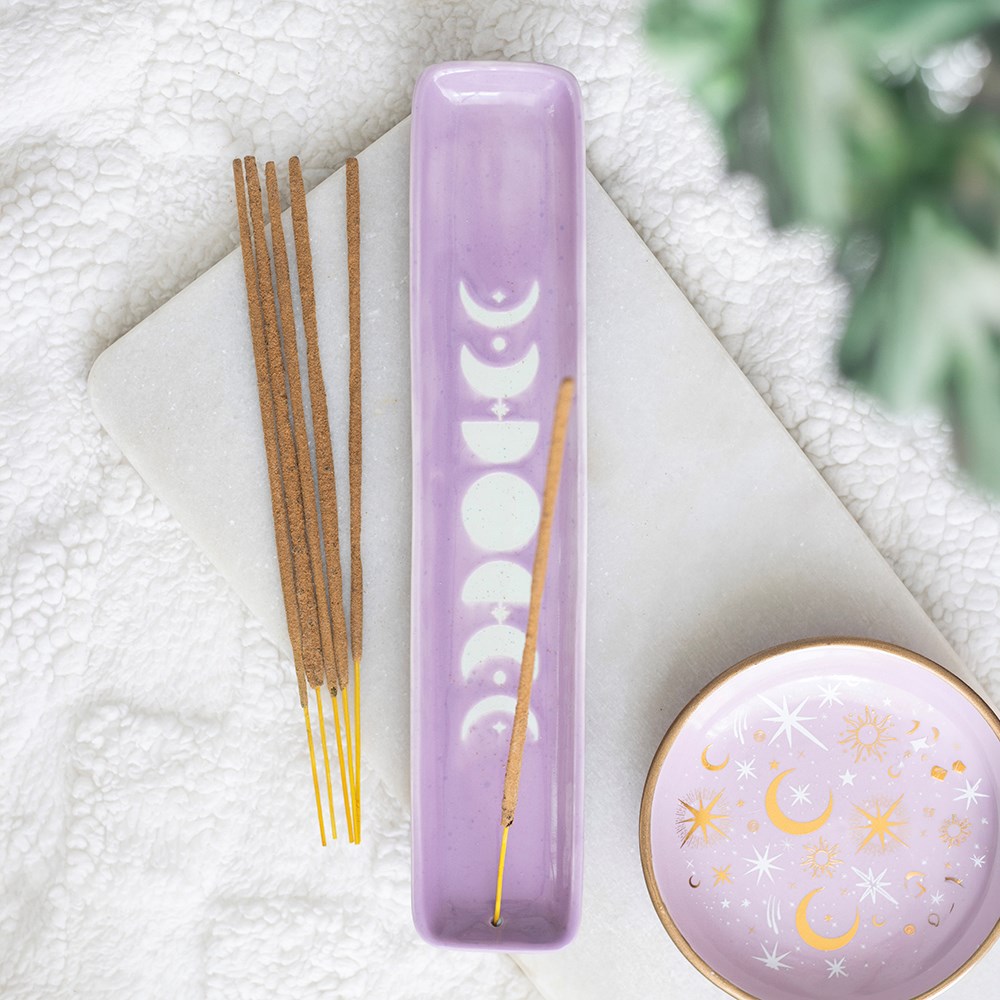 Purple Moon Phase Incense Ash Catcher£9.99Shop Now
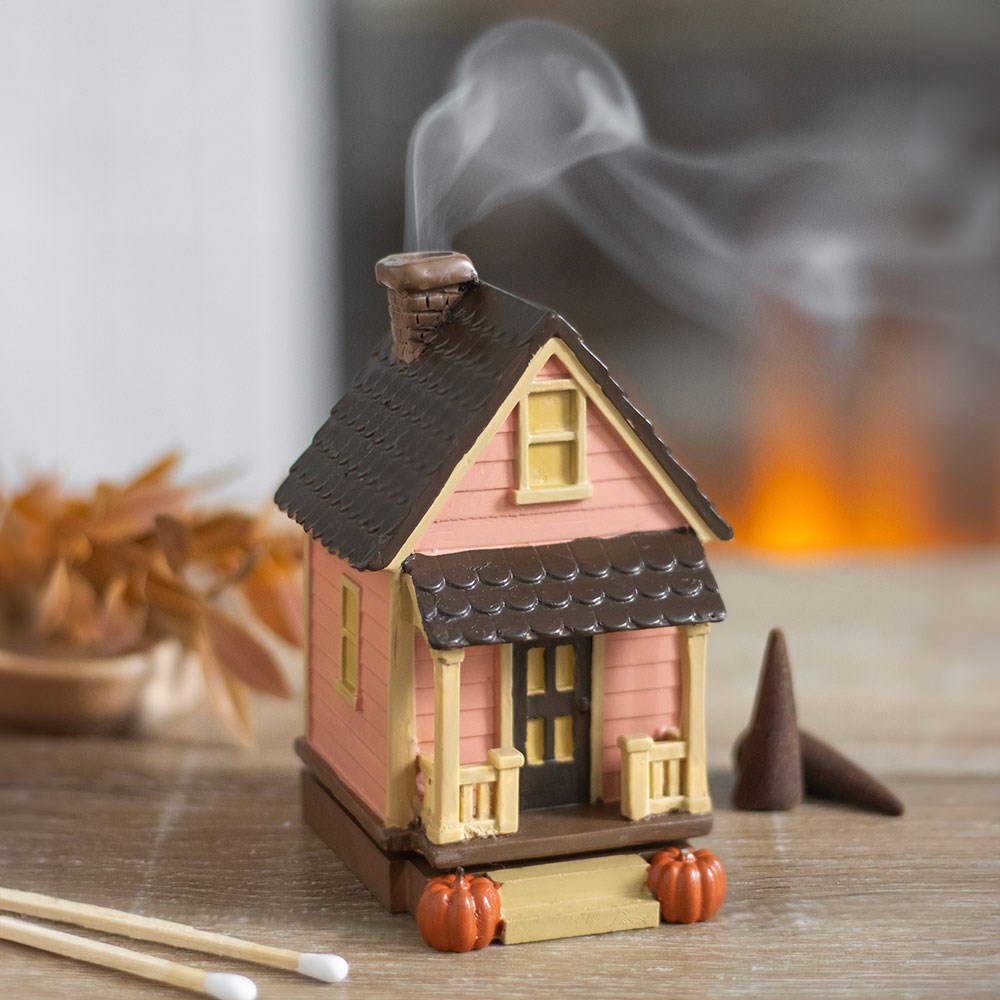 Pink House Incense Cone Burner with Pumpkins£8.99Shop Now
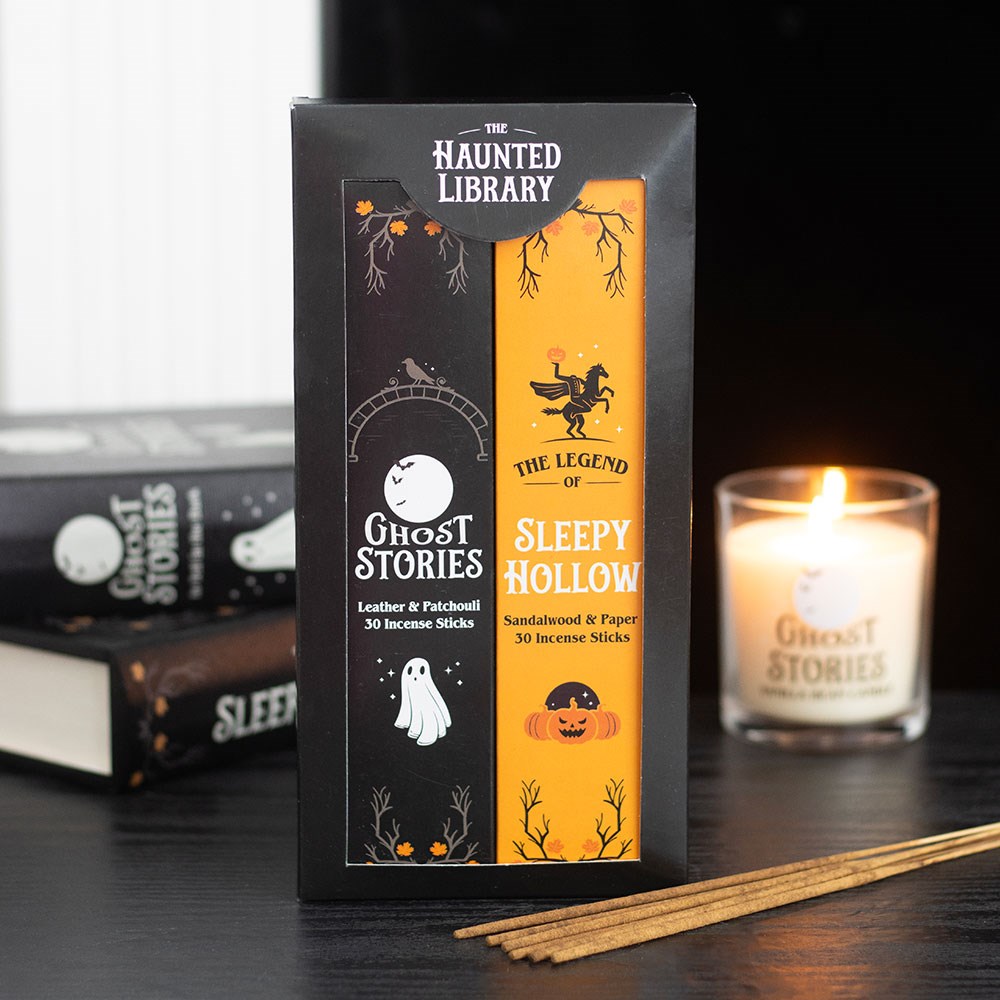 Set of 2 Haunted Library Incense Stick Packs£3.99Shop Now
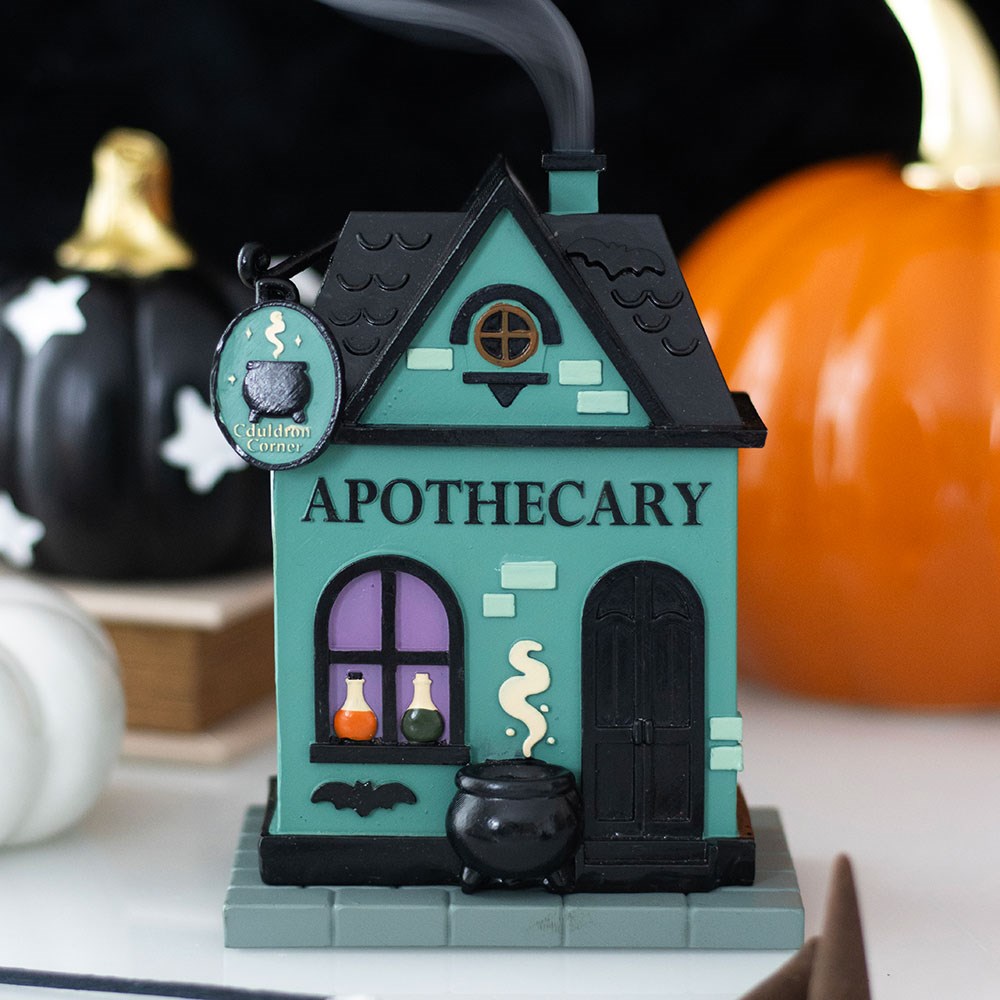 Apothecary Shop Incense Cone Holder£8.99Shop Now
Join our list for a first-order discount and early access to new pieces.
