
Our Location
304 North Cardinal St.
Dorchester Center, MA 02124

Learn how to cleanse crystals properly — seven safe methods, the three that damage stones, how often to cleanse, and what to do with soft or porous crystals.
Whether or not you buy into energy work, there are two practical reasons to cleanse crystals. First, they pick up dust, skin oils and handling residue. Second — and this is the part that matters to most people — a stone you’ve just bought or used through a difficult period is easier to work with again once it’s been reset. Cleansing is a way of starting the relationship over.
The gentlest and most popular method. Place your crystals on a windowsill overnight, ideally around the full moon. It works for every stone, including the fragile ones, and costs nothing.
Pass the stone through the smoke of white sage, palo santo or a herbal smudge stick for 20–30 seconds. This is the fastest method and the most satisfying — you can feel the ritual doing something. Our smudging guide covers how to do it safely.
Hold under a stream for a minute. Only for hard, non-porous stones (see the avoid list below). Use cold or lukewarm water, never hot.
Bury the stone in a bowl of sea salt or Himalayan salt overnight. Effective and traditional — but never for porous or metallic stones. Discard the salt afterwards; don’t reuse it.
An odd-sounding but genuinely useful method: bury the crystal in a bowl of dry rice overnight. The rice absorbs residue, then you throw the rice away. Popular for black stones that seem to “hold on” to things.
Bury in soil or a plant pot for a day or two. Slow but thorough, and it reconnects the stone to where it came from. Rinse lightly afterwards.
A singing bowl, tuning fork or bell — the vibration does the work and it’s safe for every stone. Good for people who work with several crystals at once.
If you’re not sure what a stone can take, use moonlight, smudging or sound — those three are safe for everything.
| Situation | Suggested frequency |
|---|---|
| Newly bought crystals | Once, before use |
| Everyday carry stone | Weekly |
| After a difficult or emotional period | Immediately, then weekly |
| Display pieces you don’t handle | Monthly, mostly dusting |
| Crystals used in group work or by others | After each use |
They’re separate steps. Cleansing removes what the stone has picked up; charging restores its “fresh” state and sets its purpose. A simple sequence: cleanse first, then hold the stone, state its purpose out loud in one sentence, and leave it in moonlight or sunlight for a few hours.
If you’re working with the chakra system, cleansing becomes more important — stones moved between positions pick up a lot of handling. Our seven chakras guide sets out the full system.
That’s genuinely all you need. Everything beyond this is preference. For choosing stones in the first place, our crystal healing beginner’s guide covers the basics, and if you’re buying crystals as presents, the crystal gifts guide is a good starting point.
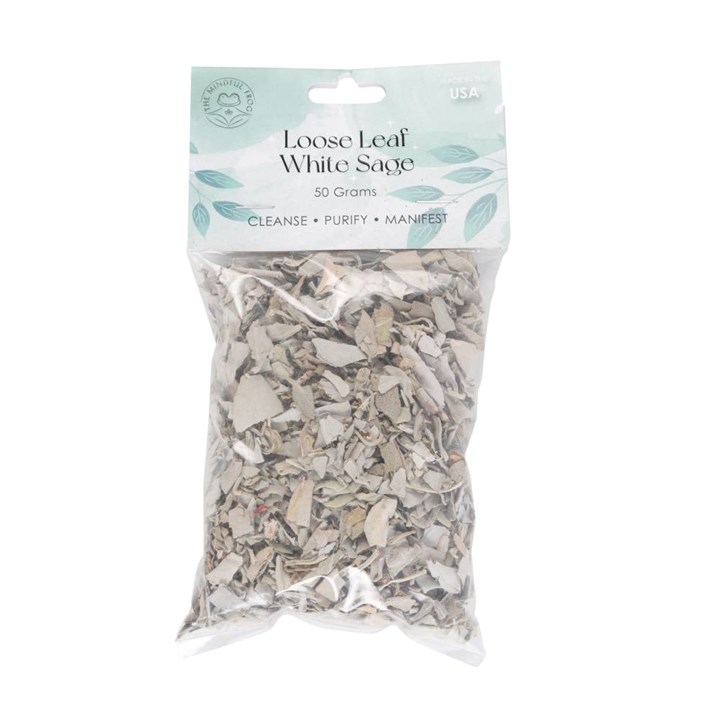 50g Loose Leaf White Sage£12.99Shop Now
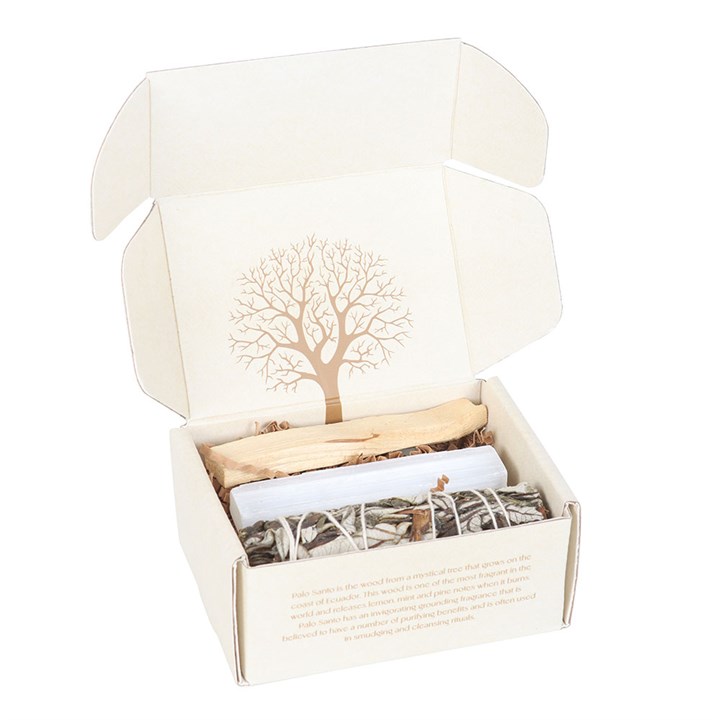 Yerba Santa Crystal Energy Cleansing Kit£27.99Shop Now
 Divine Energy Smudge and Stone Wellness Kit£40.99Shop Now
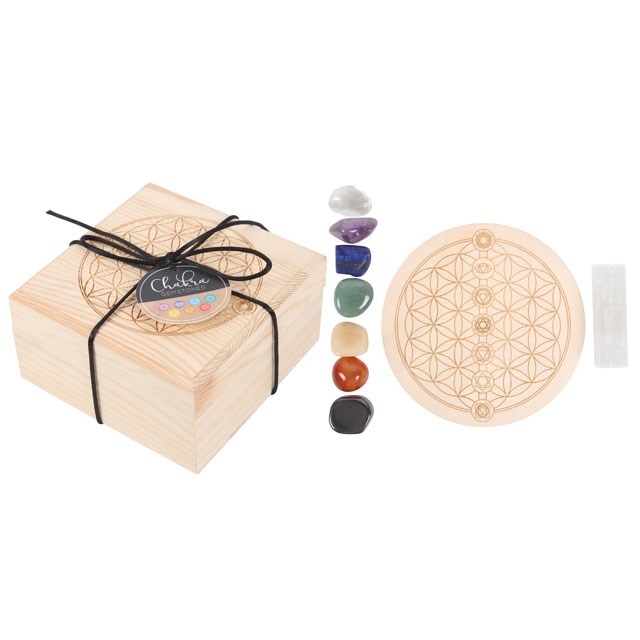 Chakra Crystal Grid Gift Set£41.99Shop Now
 Hand of Hamsa White Rose Candle with Crystals£12.99Shop Now
 12 Days of Christmas Shaped Crystal Advent Calendar£59.99Shop Now
Join our list for a first-order discount and early access to new pieces.
