
Our Location
304 North Cardinal St.
Dorchester Center, MA 02124

A practical guide to gothic home decor — the palette, the textures, the key pieces, and how to build a dark witchy aesthetic without making your home feel like a Halloween shop.
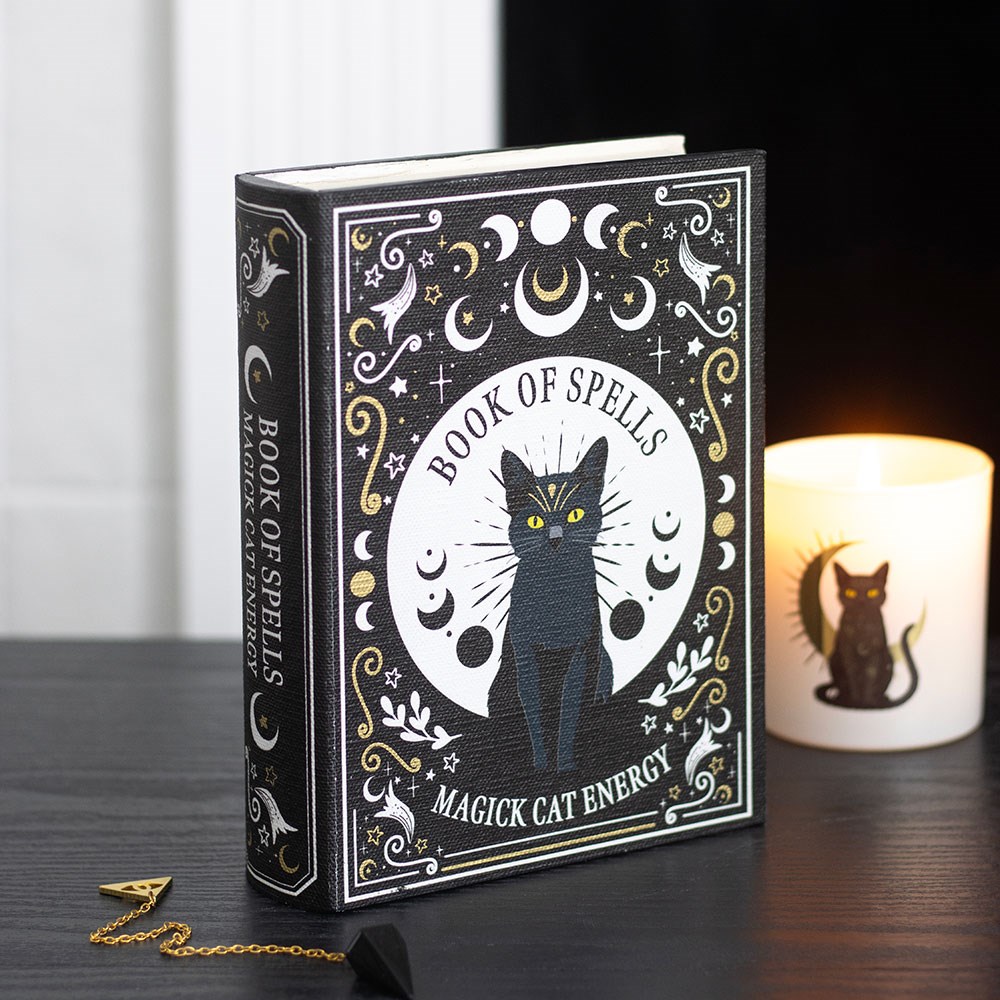
Gothic decor is often reduced to black walls and plastic spiders, but the real aesthetic is richer than that. It draws on Victorian mourning style, medieval architecture, folklore and occult symbolism — think deep colour, heavy textures, carved wood, old mirrors and objects that carry a story. Done well it feels dramatic but warm, not costume-shop.
The “witchy” version of it — sometimes called dark cottage — is softer: black and burgundy mixed with warm wood, dried botanicals and candlelight. That’s the look most people are aiming for when they start searching for gothic home decor.
Four colours carry 90% of the look:
You don’t need to repaint. Black textiles, dark glass and a few statement pieces achieve most of it in a rented home. If you do paint, do one feature wall rather than the whole room.
Gothic interiors fail when they’re all flat black. The successful ones layer:
Texture is what separates “gothic” from “dark”. A room with a velvet throw, a carved mirror and a wooden shelf reads layered; a room with flat black paint everywhere reads flat.
Two or three strong pieces beat a shelf of small ones. Fantasy art by licensed artists such as Anne Stokes and Lisa Parker has become the shorthand for the look — dragons, gothic fairies and moonlit landscapes. Our guide to Anne Stokes as a collector’s artist explains the range.
A single well-made skull ornament, a pentagram ornament or a planchette dish becomes a talking point. One is a statement; five is a collection nobody else asked for.
This is the cheapest and most effective change. Black taper candles, a carved oil burner, and something smoky burning in the background. Our guide to candle colours in spellwork covers the colour meanings, and the oil burner guide explains how to use them safely.
Dark curtains, a velvet cushion or two, one large wall piece above the sofa, and candles on the coffee table. Add a trinket dish for keys — practical pieces let you commit harder.
Black bedding or a dark throw, a large tapestry or canvas on the biggest wall, and an oil burner on the bedside table. Keep the lighting warm and low — cool white light kills the mood instantly.
The easiest room to convert. A black soap dispenser, a dark soap dish, a small candle and a piece of gothic wall art transform it in an afternoon.
The trend most people don’t anticipate is dark cottage — the point where gothic meets hygge. Add dried flowers, a wooden bowl, a chunky knit throw, and warm lamplight instead of overhead lighting. The result is a home that feels dark but inhabited, which is much more comfortable to live in than a museum.
Green Man faces, witch cauldrons, moon phases and tarot imagery are all natural fits for this style. If you’re building the look around a specific theme — a season, a practice, or a single artist — it comes together faster and looks more deliberate. Our guide to setting up a beginner’s altar covers the ritual side, and the history of the Green Man explains one of the recurring motifs.
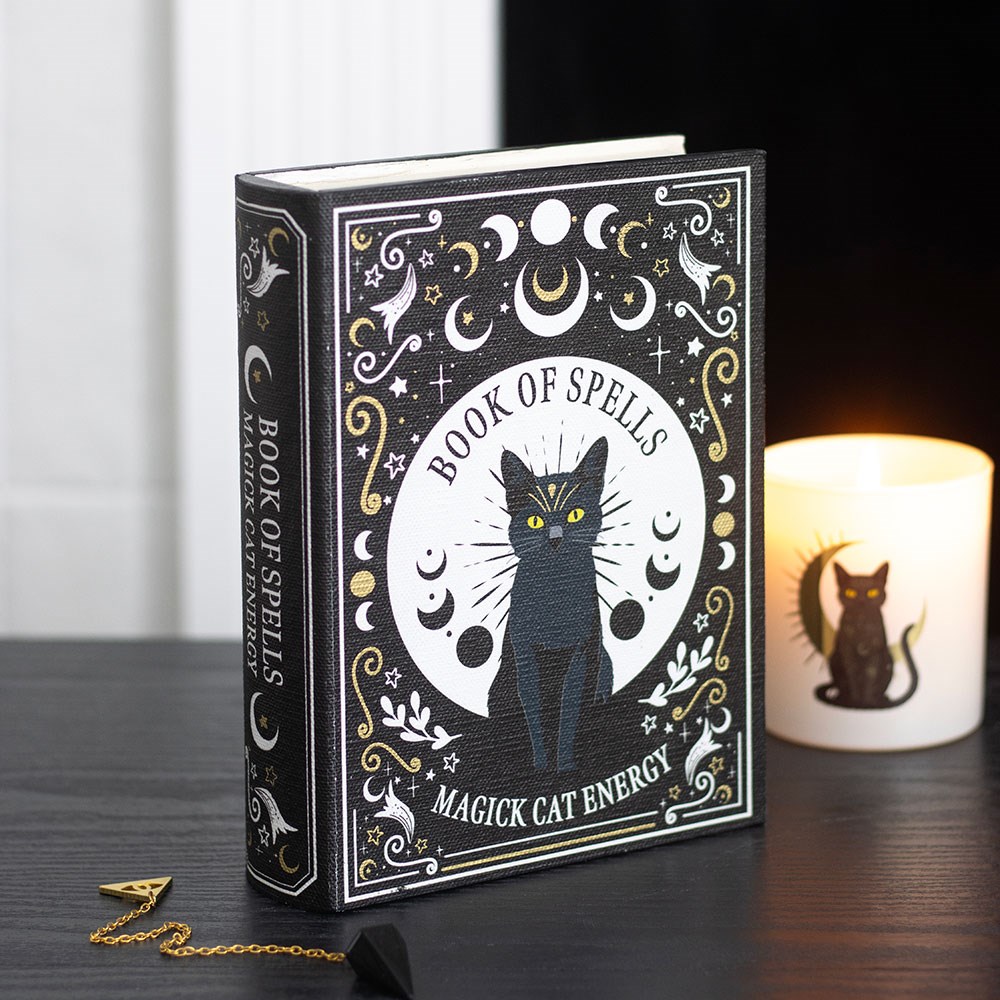 Black Cat Magick Book of Spells Shaped Storage Box£9.99Shop Now
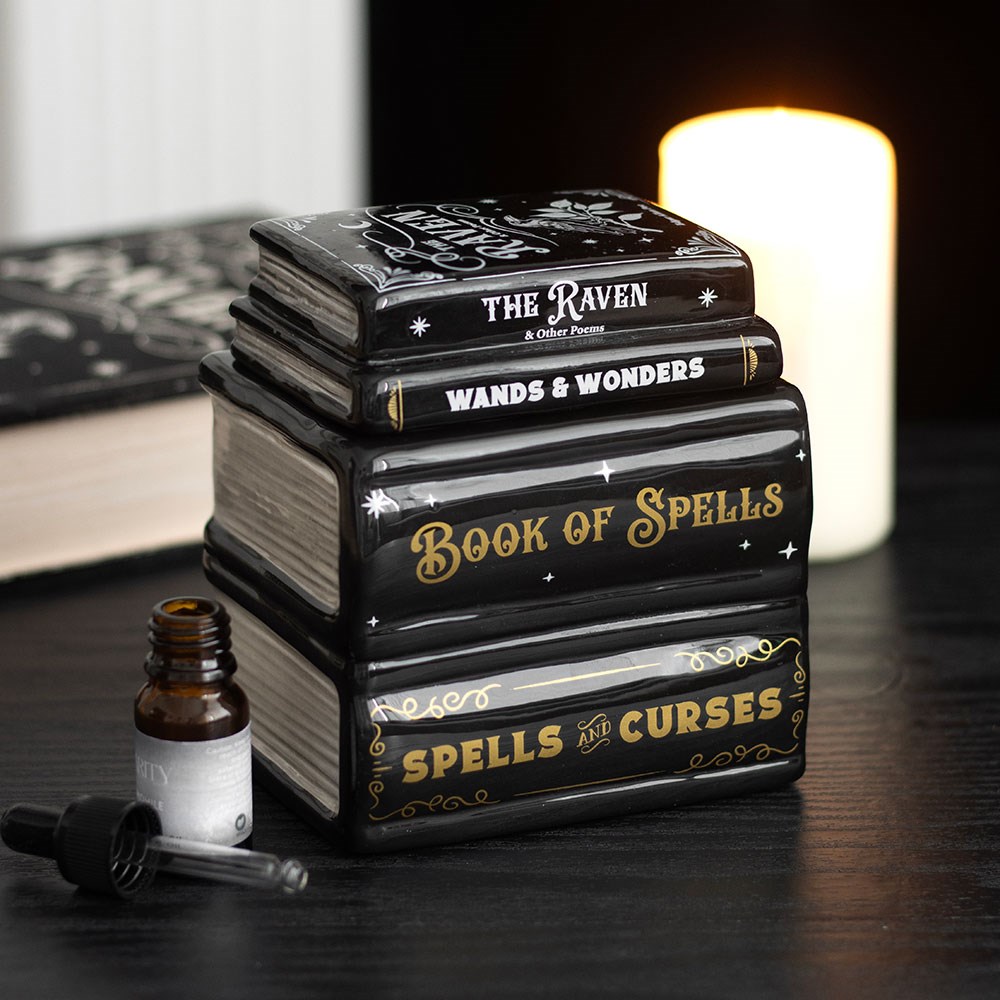 Book of Spells Oil Burner and Wax Warmer£12.99Shop Now
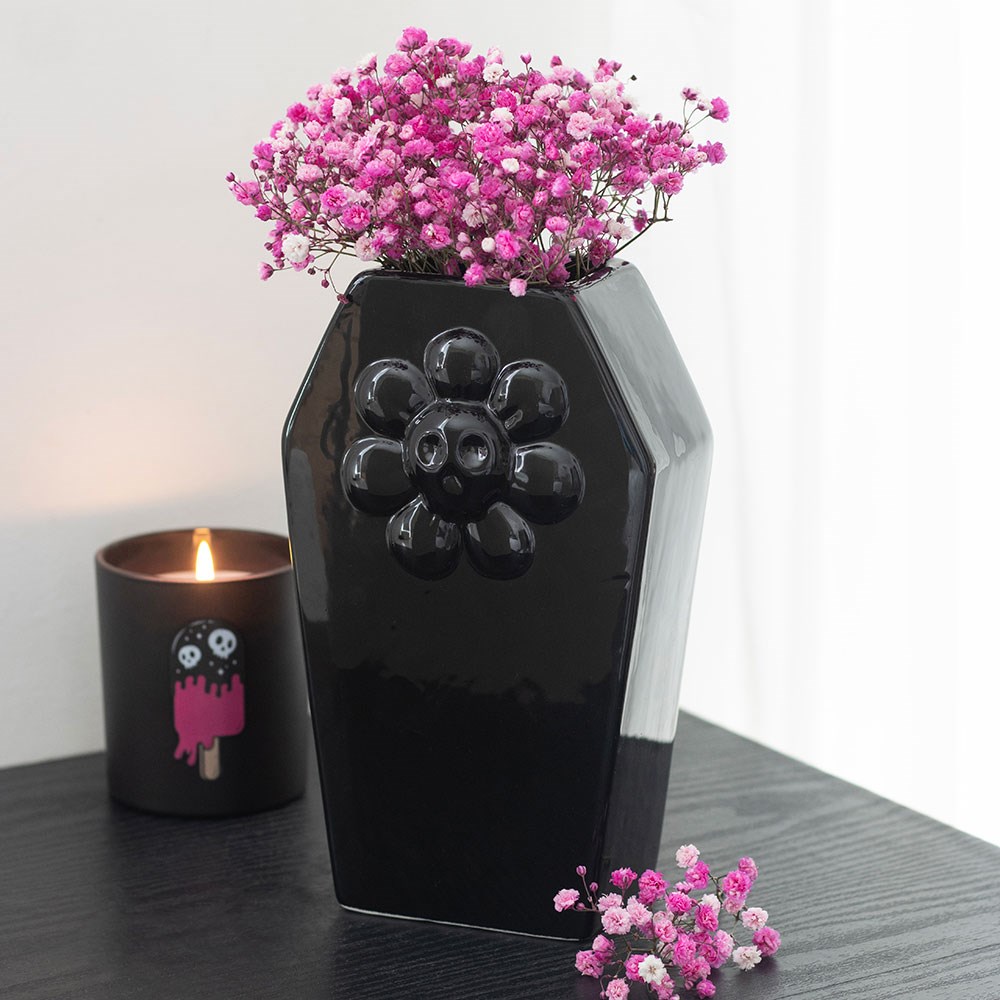 Coffin Flower Vase£12.99Shop Now
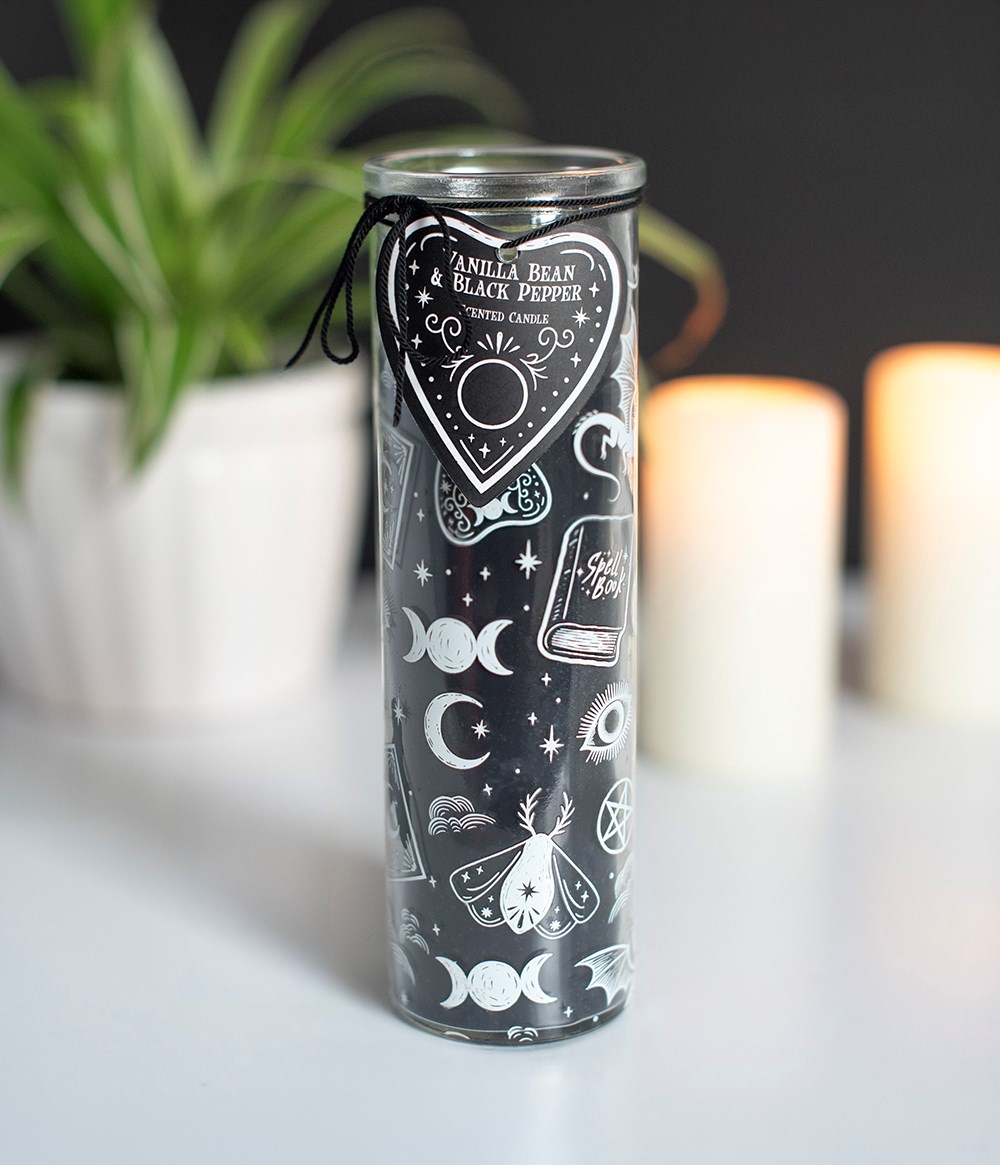 Vanilla Bean & Black Pepper Tube Candle£8.99Shop Now
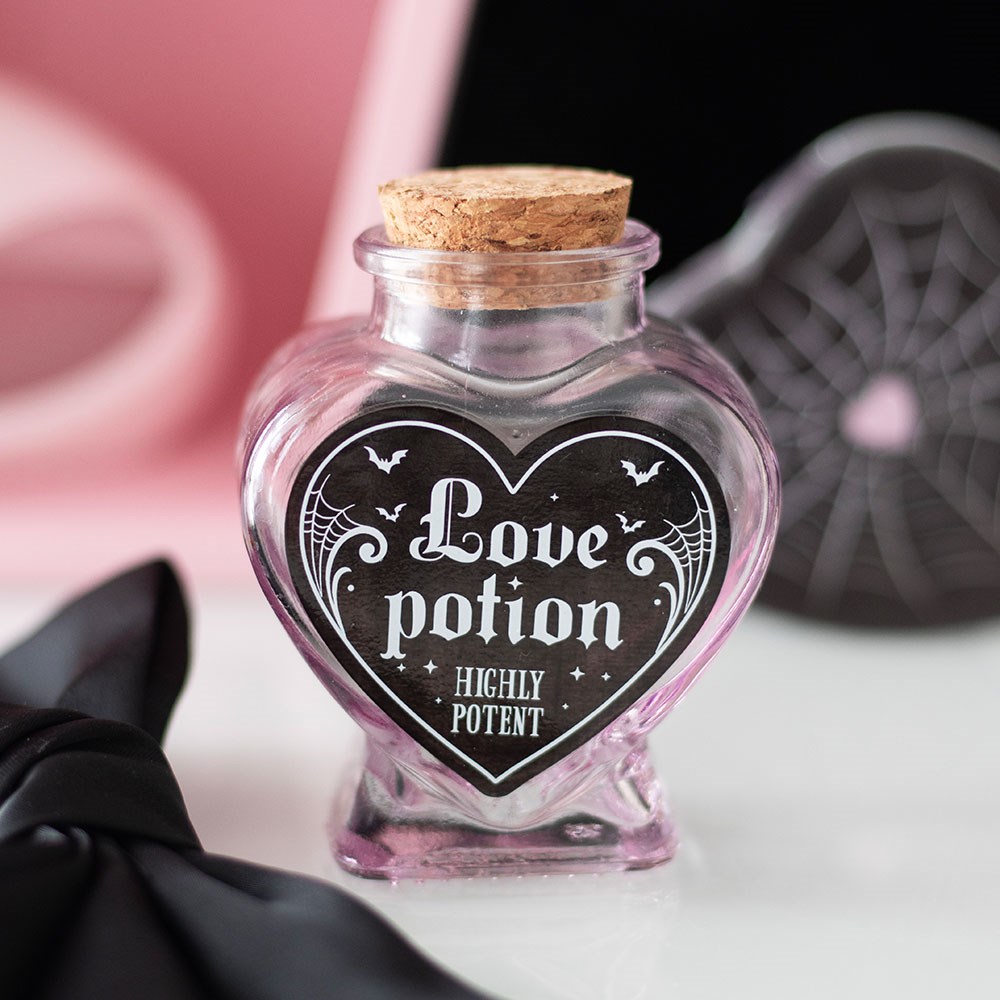 Love Potion Decorative Glass Heart Potion Bottle£4.99Shop Now
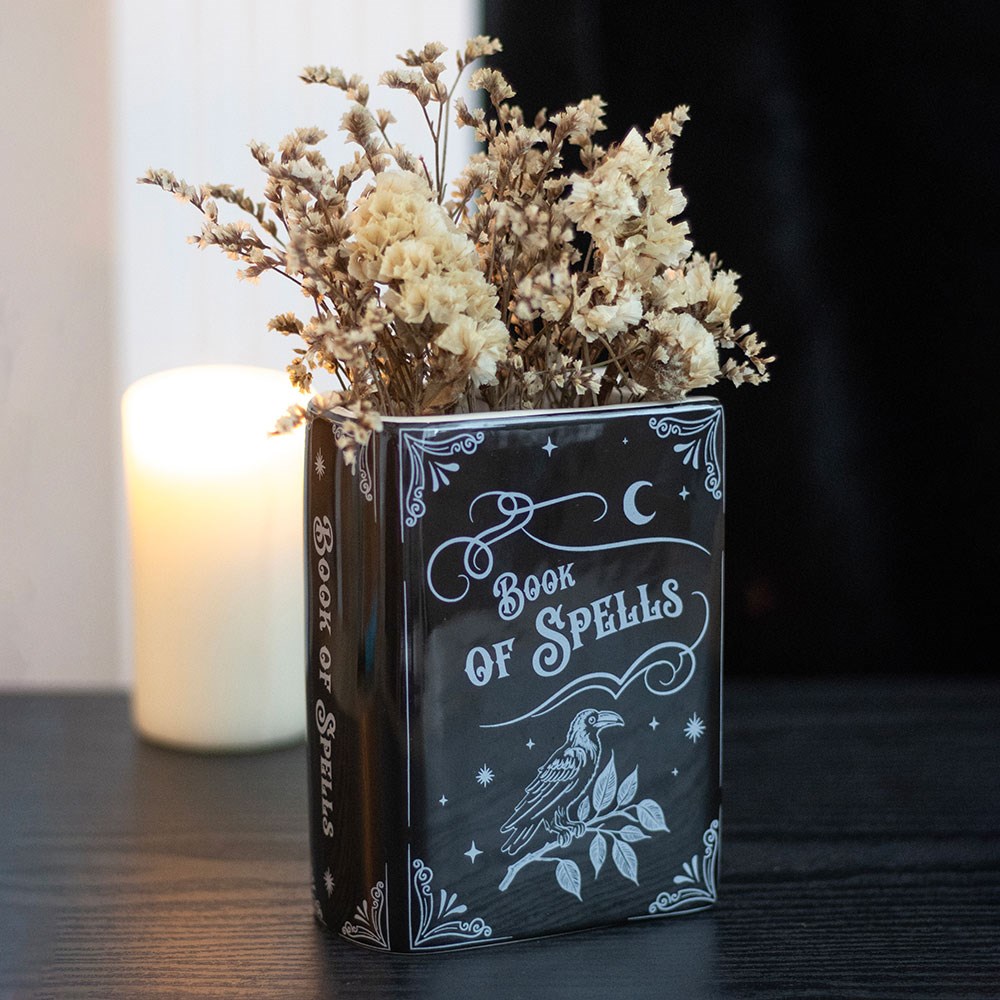 Book of Spells Flower Vase£9.99Shop Now
Join our list for a first-order discount and early access to new pieces.
