Our Location
304 North Cardinal St.
Dorchester Center, MA 02124

Where Christmas traditions actually come from, and how to decorate for Yule: the witchy tree, solstice wreaths, winter candles, crystal advent calendars and stocking fillers for the gothic crowd.
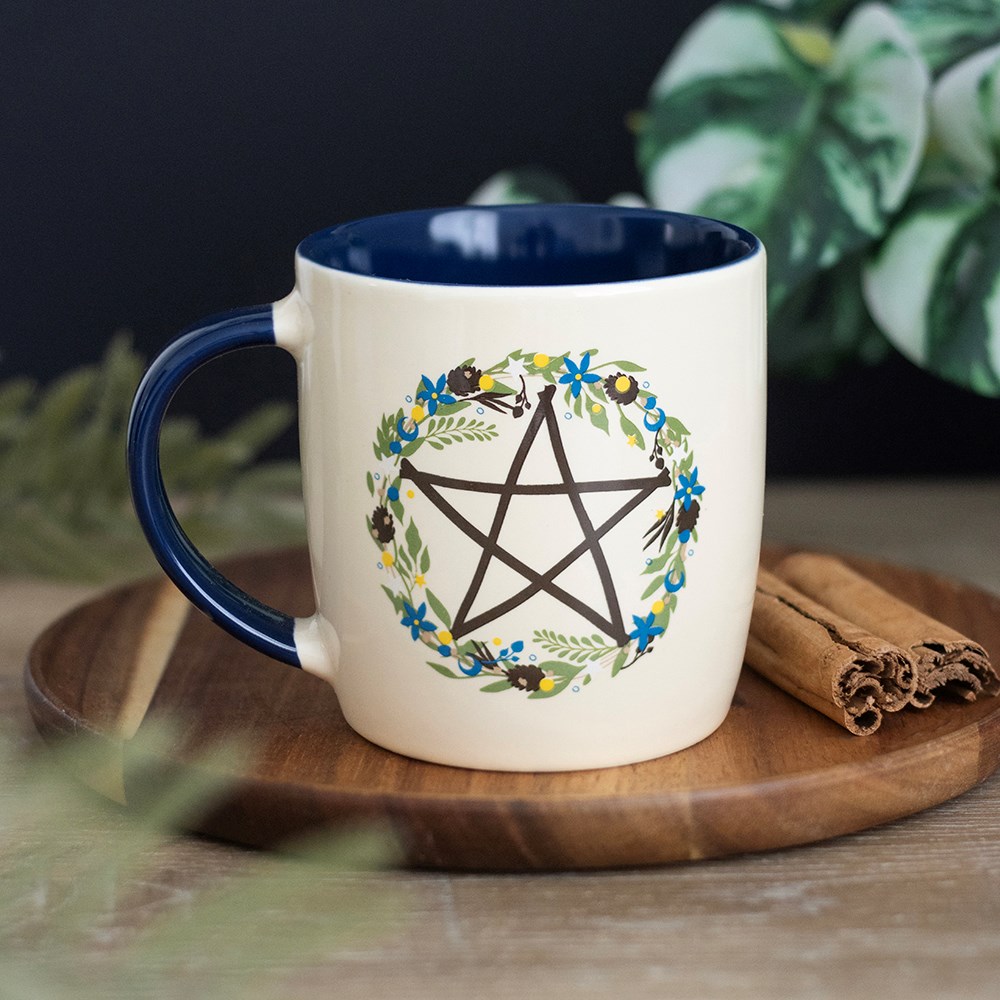
Here’s the thing nobody mentions in December: half of what we call Christmas decorating is borrowed. The evergreen tree, the wreath on the door, the candles in the window, the holly and the ivy — these are Yule traditions. They were midwinter customs long before they were Christmas ones, and they survive because they’re genuinely good at the one job a British winter sets you: making a dark house feel warm.
Yule is the winter solstice, the longest night of the year, usually around 21st December. The old logic was simple: bring greenery indoors to remind yourself spring returns, and light candles against the dark. You don’t have to be pagan to appreciate that. This guide covers how to decorate a witchy Christmas that still feels festive to the rest of the household.
A gothic tree works the same way any tree works — it’s about repetition and restraint. Pick a colour story and commit to it:
Two practical tips. First, keep the lights warm white — blue and cool white LEDs make dark ornaments look dead. Second, if the household isn’t fully on board with a gothic tree, put the dark ornaments on the top two-thirds and let the traditional ones live at child height. Nobody argues with that compromise.
The wreath is the oldest thing on this list — a Yule symbol of the turning year, hung on the door long before it had anything to do with Christmas. A solstice wreath in dark greenery, pinecones and dried berries sits perfectly on a front door and doesn’t look like it expired on the 27th.
Indoors, the same logic works at smaller scale: a garland along a mantel, a few sprigs of fir in a dark vase, eucalyptus and cinnamon on the dining table. Greenery is the cheapest way to make a room smell like winter without lighting anything.
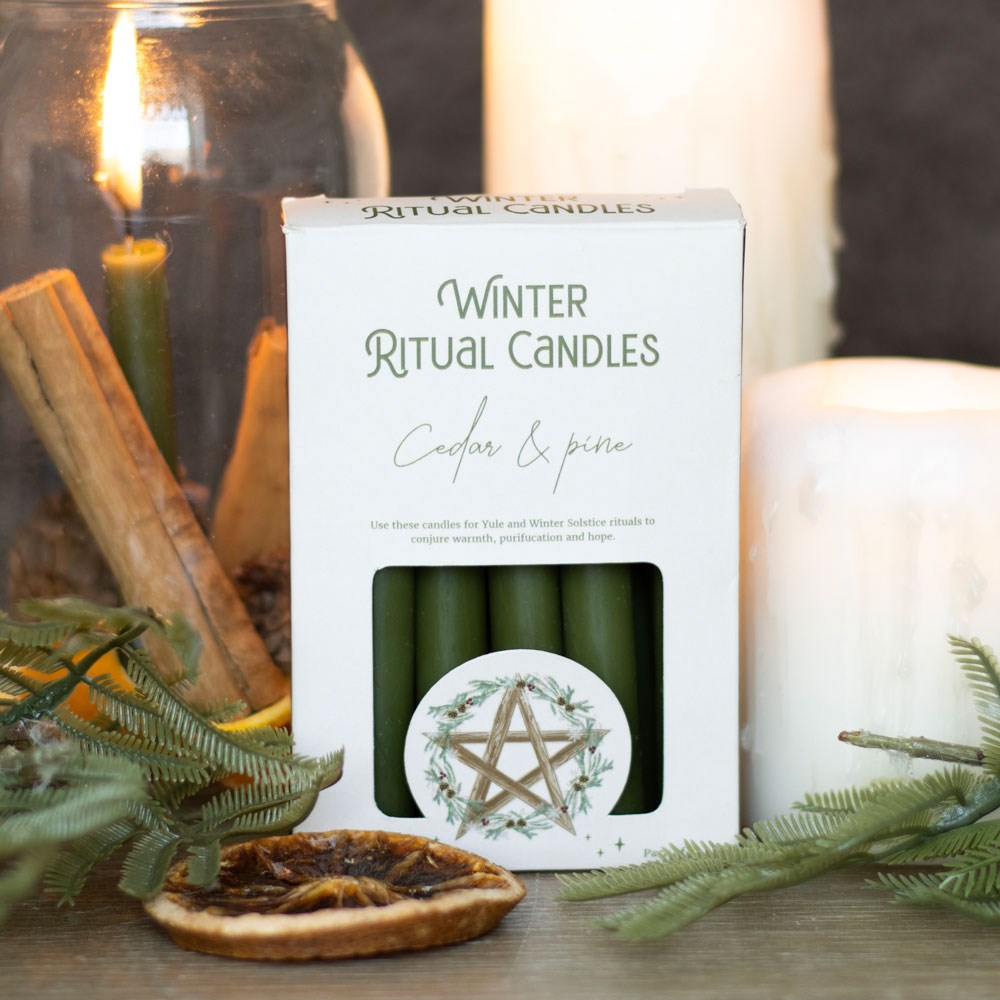
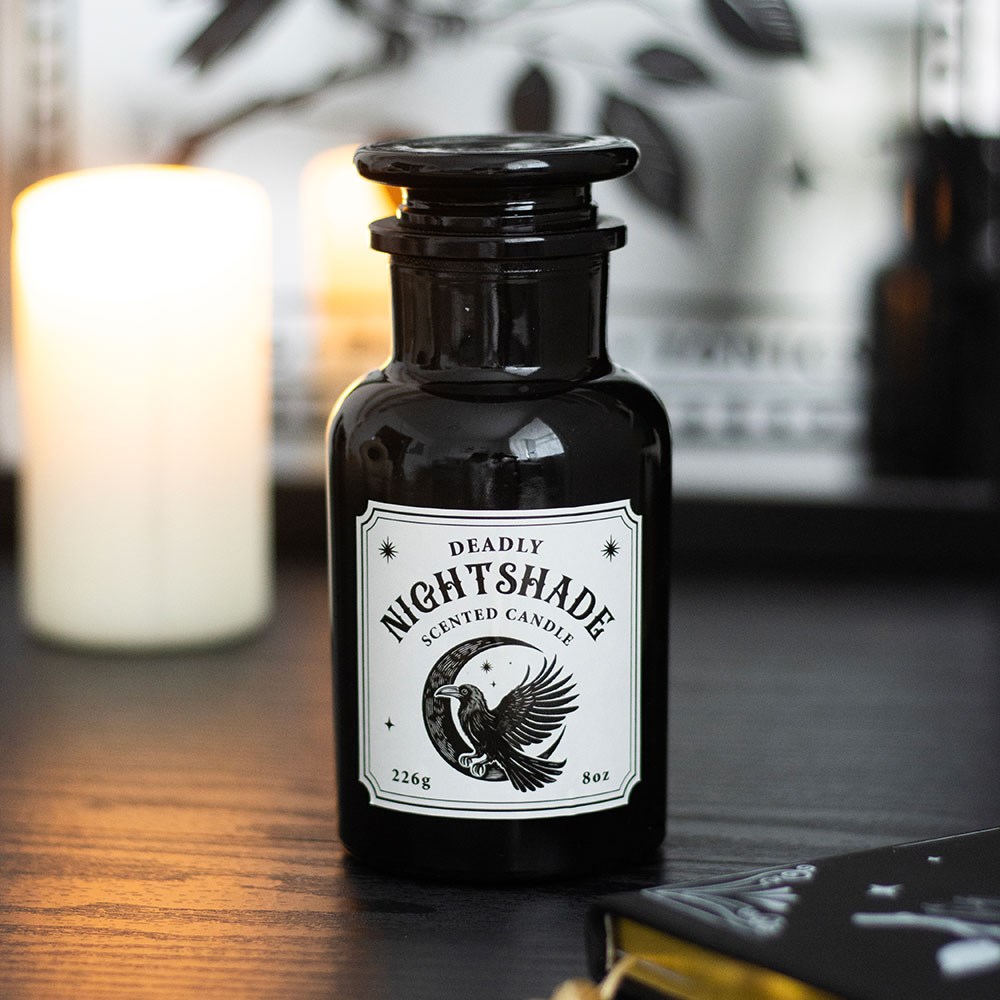
Candlelight is the tradition that matters most, and the one modern houses have quietly dropped. Cedar and pine are the classic winter scents — foresty rather than sweet — and they pair with the greenery instead of fighting it. Winter ritual candles in cedar, pine and blackberry bring the same mood to a dinner table or a windowsill.
Two safety notes, because December is the worst month for candle fires. Never leave a lit candle on a tree or near paper decorations, and give every candle a proper holder with a heatproof base. If you want the look without the flame, a good oil burner with a pine or amber oil does most of the work — our oil burner guide covers how to get the scent throw right.
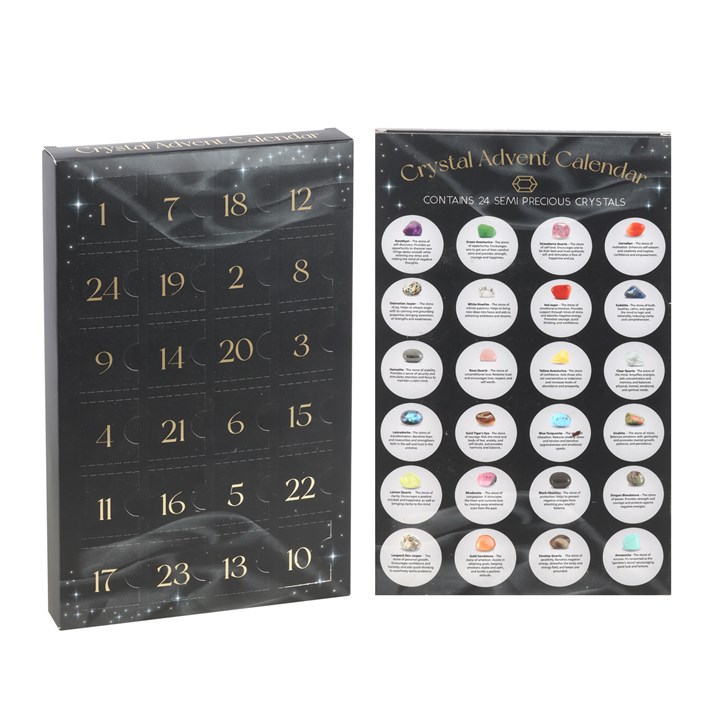
Advent calendars are a newer tradition, and they’ve quietly become one of the best parts of December. A 24-day crystal advent calendar turns the countdown into a small daily ritual: one stone a day, each with its meaning, building a collection you can actually use afterwards. It’s also the rare gift that’s a shared experience and a keepsake at the same time.
If you’re buying for someone into crystals, pair it with a copy of the crystal gift guide so they know what they’re unwrapping.
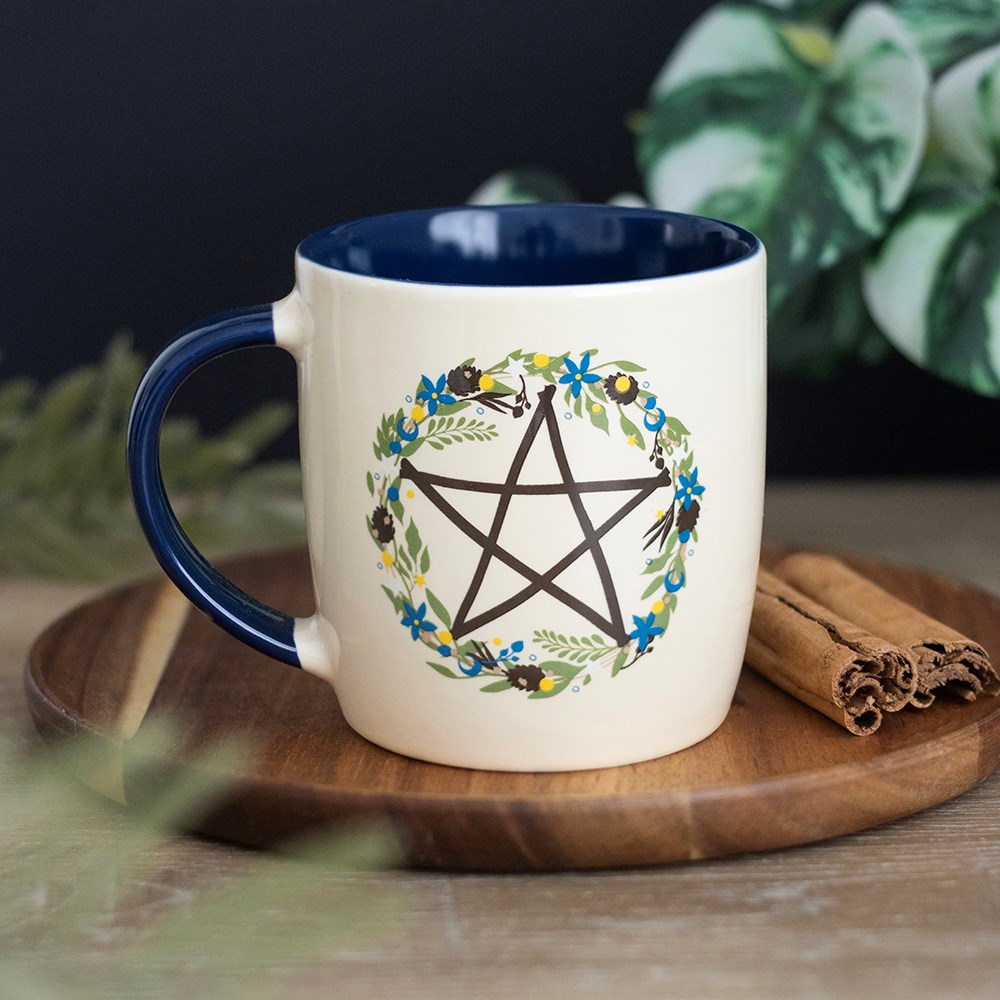
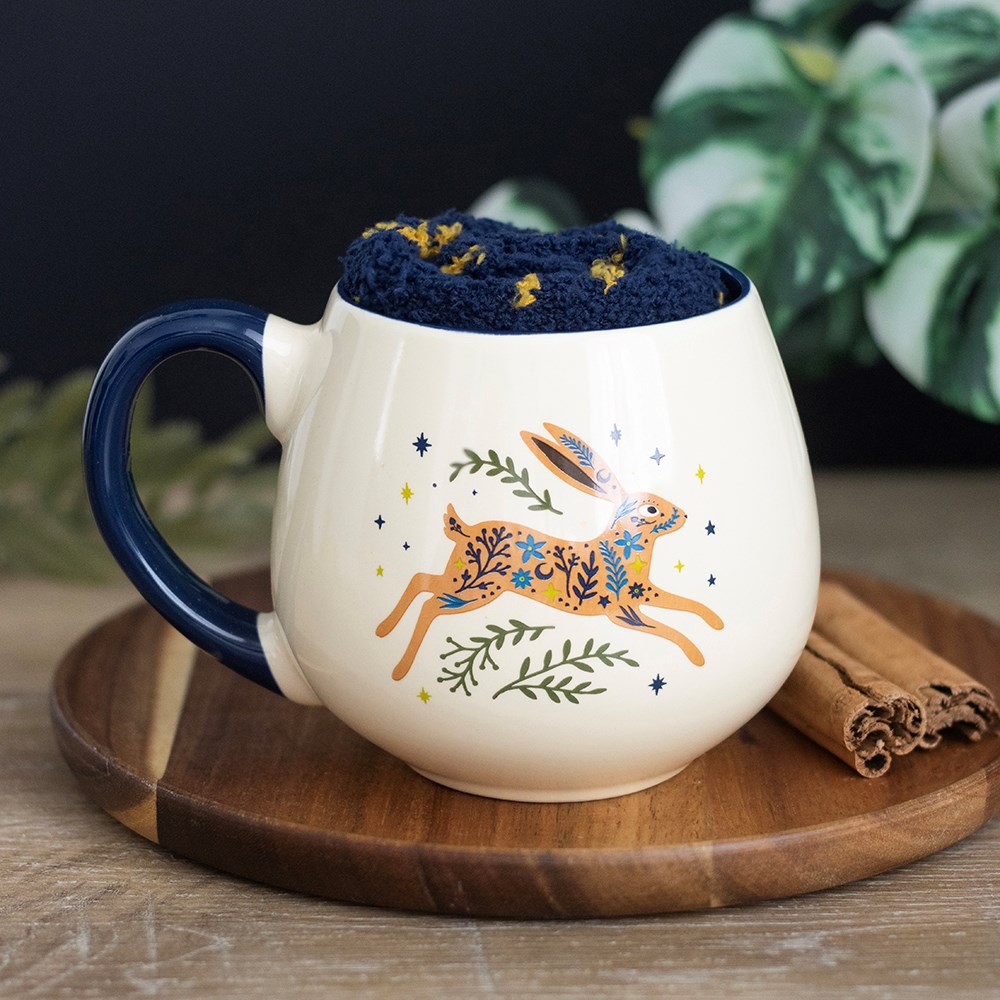
The small stuff is where a witchy Christmas gets fun, because nobody expects it:
Three things that make a witchy Christmas look like a Halloween clearout:
If you only do three things: a tree with a single colour story, one warm candle burning every evening, and greenery at the door. That’s the whole tradition, and it’s been enough for a very long time. For more on styling the rest of the house through winter, the gothic home decor guide covers the pieces that carry a dark palette through the colder months.
Join our list for a first-order discount and early access to new pieces.