
Our Location
304 North Cardinal St.
Dorchester Center, MA 02124

How to use a spirit board properly — setup, the first question, what the planchette movements mean, and how to close a session calmly. UK beginner's guide.
Browse our spirit boards category.
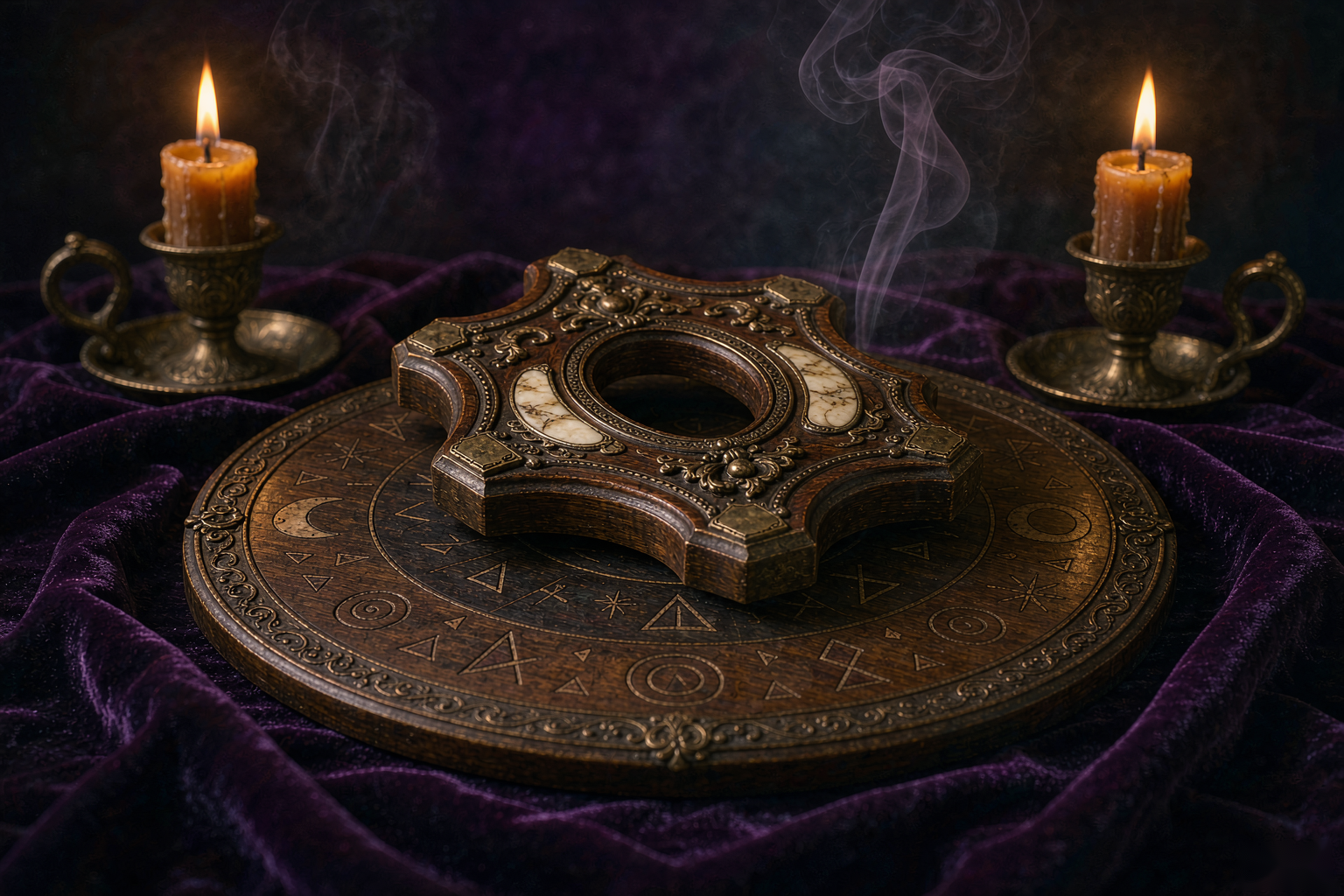
A spirit board — the ouija board is the trademarked version of the same thing — is a printed board and a small heart-shaped pointer called a planchette. Two or more people rest their fingertips on it lightly, ask a question, and watch whether it moves.
Here’s the honest part that most guides skip: the movements are produced by the players. There’s no reliable evidence that a board communicates with anyone, and the phenomenon has a name — the ideomotor effect: tiny, unconscious muscle movements that nobody in the group notices making, but which add up to the planchette drifting somewhere. It’s the same mechanism behind pendulums swinging “on their own”.
Does that make it pointless? No — it makes it a structured séance game: a ritual container for asking questions out loud with people you trust, at the one night of the year the tradition says the door is ajar. Whether the answers come from elsewhere or from the part of you that already knows, the session works the same way. And it’s a genuinely better party ritual than most of what’s on offer.
Browse our spell candles category.
Read more: witchcraft scents guide.
The board works best when everyone is relaxed. Dim light is traditional, but keep enough light to see each other’s faces. A candle on each side of the board is the classic setup; two or three tealights do the same job. Burn something low and sweet — sandalwood or a talking-board-themed sage candle keeps the air warm instead of dramatic.
Don’t set it up in a graveyard, an attic at 3am, or anywhere the point is to scare yourselves. Fear is the thing that ruins sessions — it makes everyone push the planchette and then argue about who did.
Ten minutes of planning saves the session. Agree on:
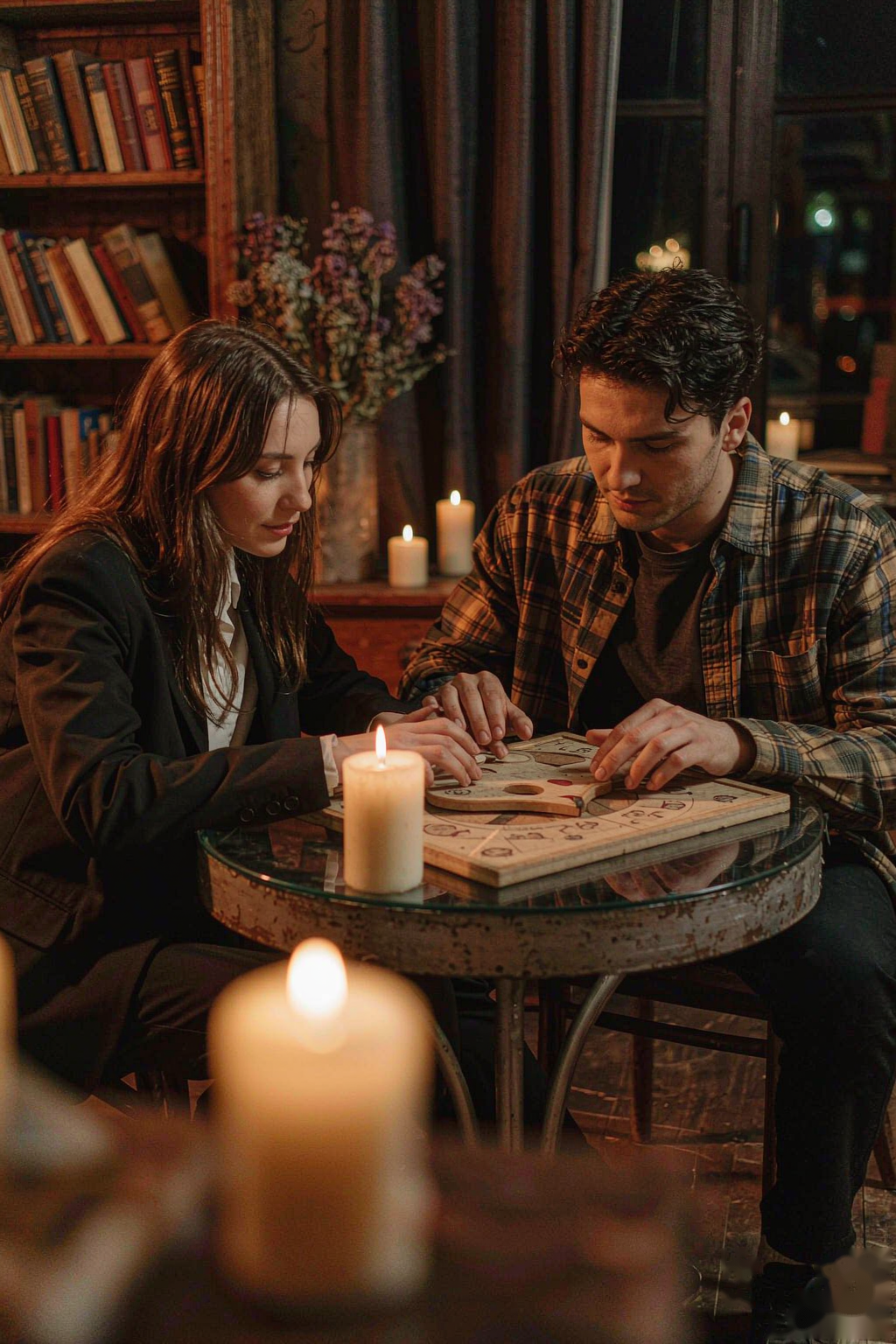
Two players is ideal — three gets crowded, one is just writing on your own behalf. Fingertips only (two or three fingers from each hand), resting lightly. If you press down hard, the planchette can’t move; if you’re too tense, you’ll fight the other player’s micro-movements and it will jitter.
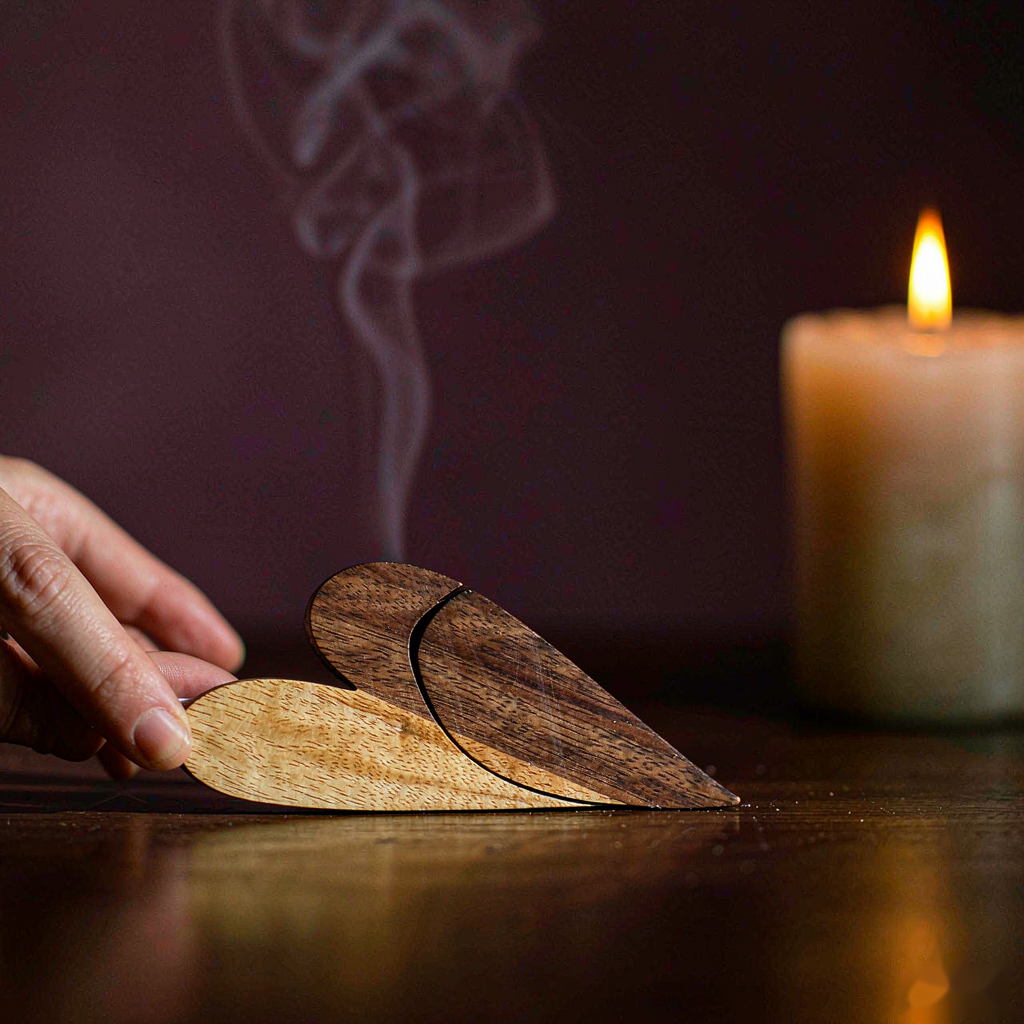
Place the planchette in the centre of the board. Both players breathe out slowly, rest their fingertips, and someone says out loud what the session is for: “We’re here to say hello and ask a few friendly questions. If anyone would like to talk, we’re listening.”
This sounds like theatre and it’s doing real work: it sets the shared frame that stops the “did YOU move it” argument before it starts.
Ask once, then wait. Give it a full minute of stillness. Planchette movement usually starts small — a slow drift, small circles. If nothing happens after a few minutes, try the question again, or move to the fun question list.
| Movement | What it usually means |
|---|---|
| Drifts to YES or NO | The direct answer — one player’s hands will have steered it, either on purpose or not |
| Circles | Uncertainty, or warming up. Ask the question a different way |
| Letters, slow | Spelling — be patient, and say each letter out loud as it lands |
| Darts to a corner / off the board | Someone’s getting eager, or the session’s tired. Take a break |
| Nothing at all | The most common result, and a fine one. Try again on another night |
One rule that keeps it sane: nobody announces what they think is happening mid-session. Talk after the board stops, not during.
20 to 30 minutes is the ceiling for a first session. Past that, arms ache, attention drifts, and the ideomotor effect turns into everyone steering. When the energy dips, say “Goodbye”, move the planchette to the word deliberately, and take your hands off.
Say goodbye out loud, move the planchette to GOODBYE on the board, lift it away, and put the board back in its box or sleeve. The “you must never close the portal” warnings online are modern horror-movie inheritance — the traditional closing is exactly this simple, and it signals to everyone at the table that it’s over.
You’ll find long lists of “ouija board rules” online. Most are twentieth-century parlour-game instructions dressed up as hazards. The honest sorting:
Genuinely useful:
– Play with people you trust, in a place you feel safe
– Agree the closing word before you start
– Don’t ask questions you’ll be afraid of the answers to
– Stop when it stops being fun
Harmless tradition (do it if you like the ritual):
– Never play alone (it’s less fun alone anyway)
– Silver the board / salt the corners — protective folklore, no downside
– Say goodbye every time — a good habit for ending any ritual cleanly
Ignore:
– “Demons attach to you through the board” — no evidence, and it only frightens the people you invited over
– Burning the board will curse you — donate it or bin it like any other game
– You must be a witch / psychic / initiated — you need two people and 20 minutes
All three boards below are in stock, and the honest differences are small — pick by look and budget:
Two add-ons that make the evening better:
Put the board away, turn the main light on, make tea. If anyone at the table felt unsettled — which happens, because low light plus suggestion is potent — the fix is boring and effective: light, company, and talking about something else. If someone wants to talk about what the board “said”, let them, and keep the ideomotor explanation handy. A session that ends in a good conversation is a successful one.
A spirit board is a game and a ritual with no demonstrated connection to spirits or outcomes of any kind. This guide describes folk practice, not fact.
Shop the glow-in-the-dark octagon board.
Shop the skull print board.
Shop the talking board tealight holder.
Shop the talking board sage candle.
Read more: pendulum dowsing for beginners.
Read more: Samhain 2026.
Read more: Samhain altar ideas.
Ready to dive in? Start with spirit boards category, then browse the full shop. Free UK delivery on orders over £30. New here? Join our newsletter for a first-order code.
Sit two people at a table with the board between them, rest fingertips lightly on the planchette, ask one friendly question out loud, and wait a full minute. Keep the first session under 30 minutes, and close by moving the planchette to “Goodbye”.
The planchette moves through the ideomotor effect — small unconscious muscle movements from the players. There’s no reliable evidence of spirit communication. Most people find the ritual valuable anyway, as a structured way to ask questions out loud together.
The board itself is a printed game with no demonstrated risk. The realistic risks are scaring yourselves with the questions you choose, or the mood getting too dark — which is why calm lighting and an agreed closing word matter more than any ritual protection.
Physically you can, but the traditional advice is against it, and the practical reason is better than the superstition: the effect is much weaker with one set of hands, and there’s nobody to share the experience with.
Something open and friendly: “Is anyone here who’d like to say hello?” Never start with questions about death, health or people you’ve lost — those are the questions that produce the horror stories.
Join our list for a first-order discount and early access to new pieces.
