Our Location
304 North Cardinal St.
Dorchester Center, MA 02124

A plain-English guide to the eight moon phases: what each one means, the one distinction that matters (waxing vs waning), and simple rituals for the new and full moon.
Before calendars, people tracked time by the moon. It’s the largest thing in the night sky, it changes on a schedule you can see without instruments, and it has always pulled at human imagination. Working with moon phases isn’t superstition — it’s using a natural cycle as a rhythm for your own intentions. Start something as the moon grows, finish something as it shrinks. That’s most of it.
This guide covers the eight phases, what each is traditionally used for, and the simplest rituals that actually get done.
| Phase | What it looks like | Traditional meaning |
|---|---|---|
| New Moon | Invisible, dark sky | Beginnings, intention-setting, planning |
| Waxing Crescent | Thin sliver, growing | Taking first steps, attracting, building |
| First Quarter | Half lit, right side | Decisions, pushing through resistance |
| Waxing Gibbous | Nearly full, growing | Refining, adjusting, patience |
| Full Moon | Fully lit | Completion, charging, releasing |
| Waning Gibbous | Nearly full, shrinking | Gratitude, sharing, letting go of results |
| Last Quarter | Half lit, left side | Releasing, forgiving, clearing out |
| Waning Crescent | Thin sliver, shrinking | Rest, surrender, preparation |
You don’t need to memorise the table. You need one distinction, below.
Waxing means growing — the lit part is getting bigger, from new moon to full. This is the half of the cycle for things you want more of: starting a habit, attracting an opportunity, building energy toward a goal.
Waning means shrinking — the lit part is getting smaller, from full moon back to new. This half is for things you want less of: ending a habit, releasing a grudge, clearing clutter, finishing what’s dragging.
If you only ever track one thing, track this. The rest of the phases are refinement.
The full moon is traditionally the peak: the moment to charge things and to let things go.
Not every phase needs a ceremony. The moon also works as a journaling prompt, and this is how most people sustain the practice long-term:
If you already keep a dream or practice journal, add the phase at the top of each entry. After three months you’ll have a genuine record of your own cycles, which is more useful than any table.
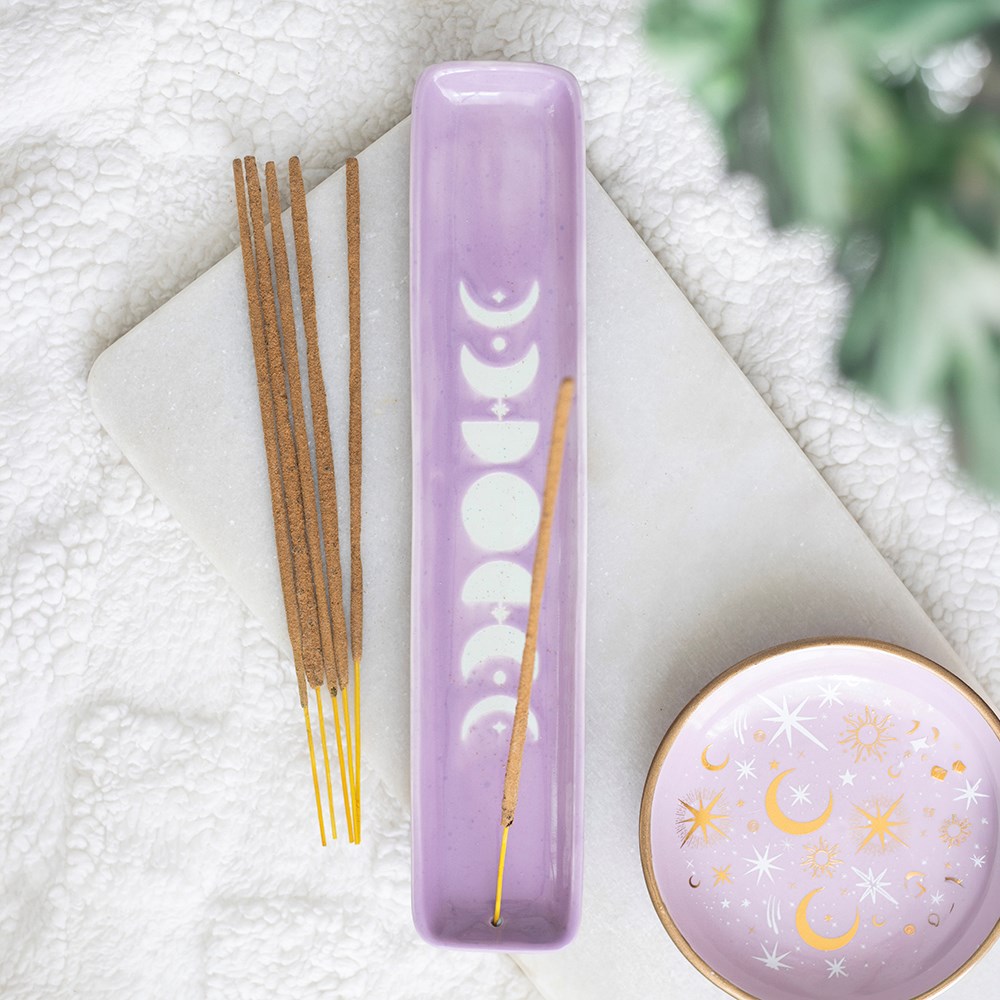
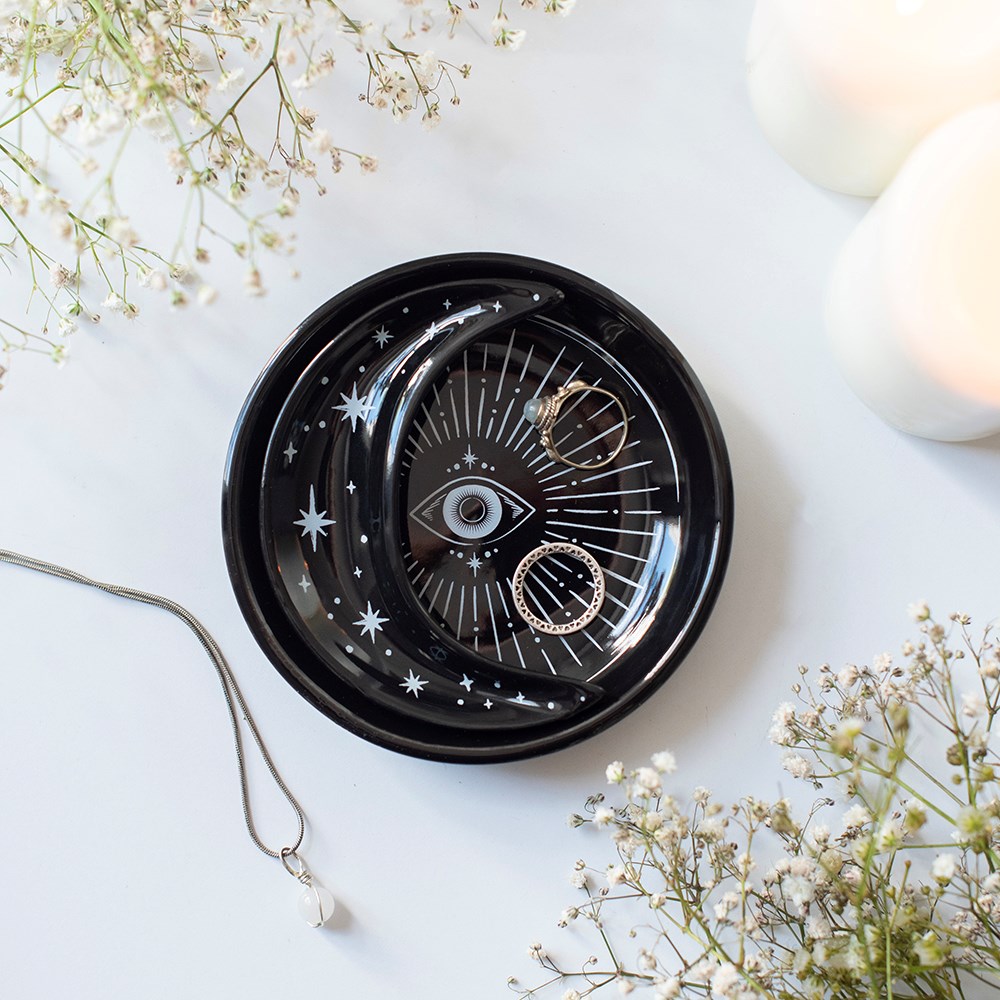
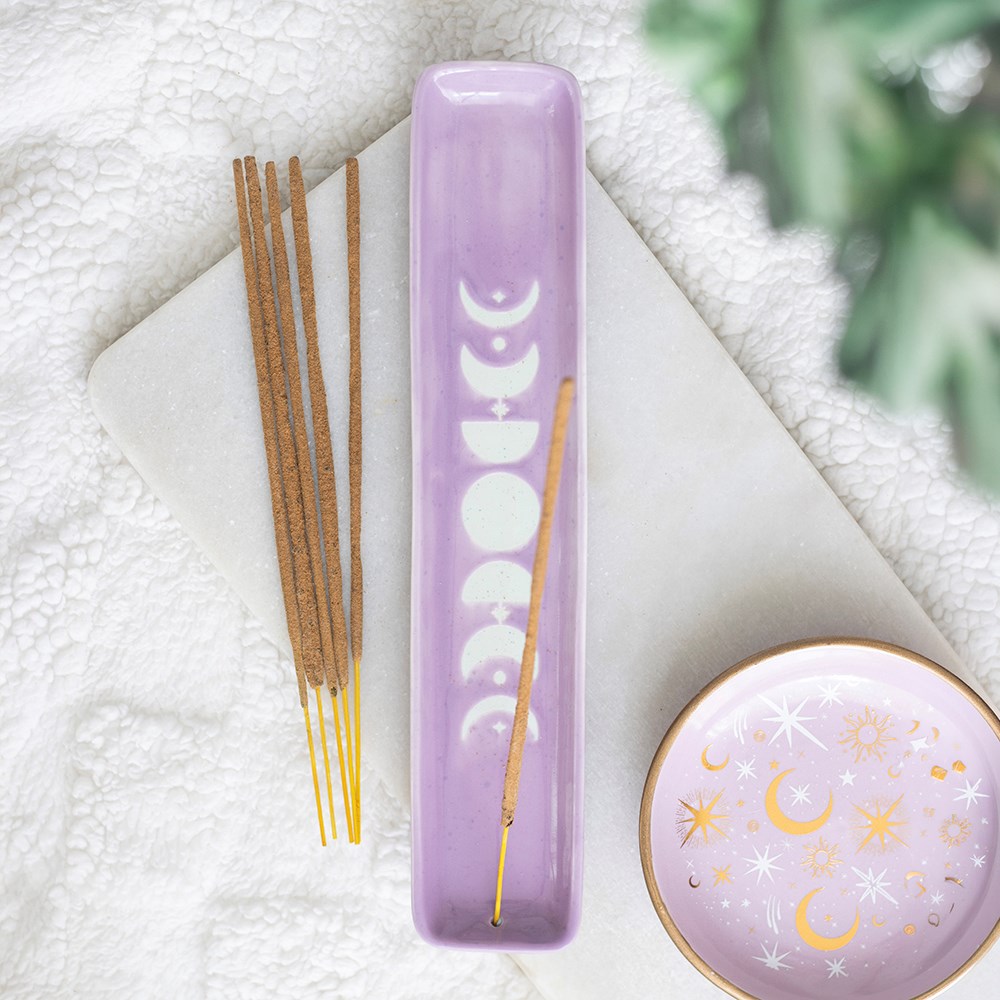
Moon-phase decor isn’t just aesthetic — a visible reminder does more for a practice than a hidden one. A stacking moon trinket dish for jewellery, a moon-phase incense holder on the desk, or a single moon decoration on the altar keeps the cycle in view. The gothic home decor guide covers styling darker, moon-led spaces, and the chakra guide explains why moon-associated stones like moonstone connect to the third eye and crown. For the evening end of the cycle, the sleep and anxiety guide covers which stones suit a bedtime routine.
Waiting for the perfect phase. There isn’t one. If you only have Tuesday evening, work on Tuesday evening. The moon is a rhythm, not a deadline.
Overcomplicating it. Three-step rituals beat elaborate ones because they actually happen. The tradition is thousands of years old; the version you’ll keep is the one that takes two minutes.
Ignoring the waning half. Most people are good at starting and bad at releasing. The cycle only works if you use both halves.
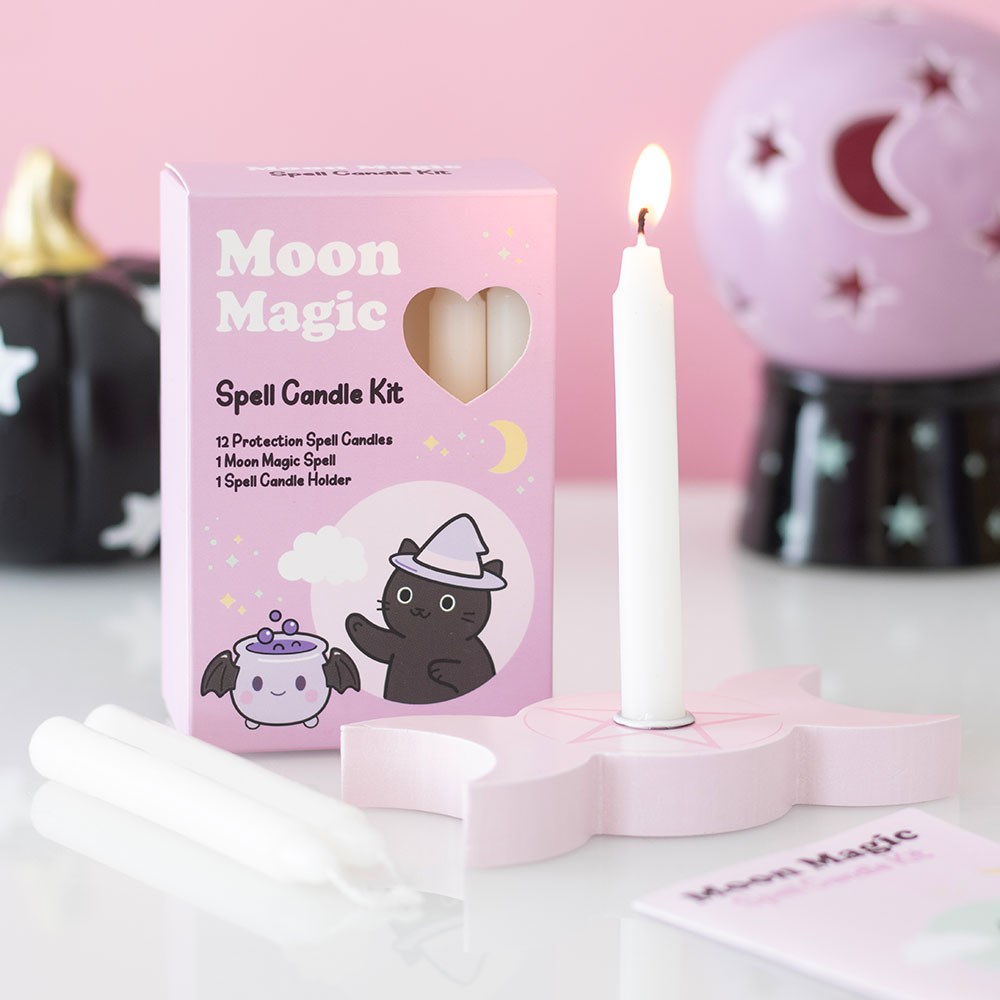
Check tonight’s phase, write one sentence about what you want more or less of, and light one candle. That’s a complete practice. Everything else — the cloths, the kits, the collections — is what you add once the habit has somewhere to live.
Join our list for a first-order discount and early access to new pieces.