The Beginner’s Trap
Almost every new practitioner makes the same purchase mistake: buying a full set of tools before they’ve practiced once. The shops don’t help. Search “witchcraft supplies” and you’ll find starter kits with forty items, most of which end up in a drawer by February.
The honest version is simpler. You can start with five things, all of which fit in a shoebox, and add the rest when your practice tells you what you actually need. This guide is that checklist, with UK prices and a note on what to skip.
The Five Essentials
If you buy nothing else, buy these:
- A candle. One tealight or taper in a colour that means something to you. Candles are the backbone of most beginner work — focus, intention, a visual anchor. Our guide to candle magic and colour meanings covers how to use them properly.
- An incense holder and one pack of incense. Scent changes a room faster than anything else you can buy, and a holder is a one-off purchase that lasts for years. The incense beginner’s guide covers which scents to start with.
- A notebook. Any notebook. A plain A5 is fine — you’re recording what you did, what you noticed, and what you’d do differently. The people who progress fastest are the ones who write things down.
- One crystal. One, not twelve. Pick a single stone you’re drawn to and learn it properly. If you’re not sure where to start, the crystal gift guide explains the traditional meanings of the most common stones, and the cleansing guide covers how to prepare a new stone before use.
- A vessel for water. A simple glass or cup kept for ritual use. Water shows up in almost every tradition, and dedicating a glass to it costs nothing.
Total cost: roughly £15–£25 depending on what you already own.
Altar Basics You Can Add Later
An altar doesn’t have to be a table in a dedicated room. A shelf, a windowsill, or a corner of a desk works. Once you’ve decided where yours lives, these are the pieces worth adding:
- An altar cloth. The single biggest upgrade for the money — a star sign or moon-phase cloth instantly turns a surface into a sacred space, and it packs away flat. Around £13 for a 70cm square.
- A cauldron. Traditional, practical, and more useful than it looks: a small cast cauldron holds candles, catches ash, and stores loose herbs. Ceramic versions double as tea sets if you want the aesthetic without the witchcraft.
- A pentacle or suncatcher. A visual focus for the altar, and one of the few tools that also works as window decor in a dark room.
- A bell or chime. Sound cleansing at its simplest — ring it at the edges of a space before you start. More effective than people expect, and it never runs out.
Tools You Can Skip (For Now)
These are the purchases most likely to sit unused:
- The athame (ritual knife). A beautiful object, but beginners rarely need one, and posting a bladed item in the UK has delivery restrictions. If you’re drawn to one later, you’ll know why.
- Full wand sets. Sixteen crystal wands in a display case is a collector’s purchase, not a practitioner’s. If you want a wand, buy one.
- Elaborate pre-made spell kits. Not because they don’t work, but because you don’t yet know what the ingredients do. Once you can read the contents of a kit and know why each item is there, they’re a lovely shortcut. Before that, they’re a lottery ticket.
- Anything you can’t explain. If you can’t say what a tool is for, it isn’t a tool yet. It’s a decoration.
Starter Kits by Budget
- Around £20: a candle, an incense holder with one pack, and a notebook. This is a complete practice kit — everything else is expansion.
- Around £50: the above, plus an altar cloth, one crystal, and a small cauldron or offering bowl.
- Around £100: the above, plus a divination tool (a pendulum kit is the friendliest starting point), a proper oil burner, and a second stone you’ve researched rather than impulse-bought.
Spread it over three months rather than one afternoon. You’ll buy better things once you know what you use.
What to Avoid
Two quality notes. First, avoid anything described as “charged” or “blessed” at a premium — you can cleanse and charge a stone yourself with moonlight, and the oil burner guide covers setting up a dedicated space. Second, check sizes before buying online: a “small cauldron” can mean anything from a thimble to a plant pot, and a 70cm altar cloth will not fit a 40cm shelf.
Where the Practice Actually Lives
The tools are the easy part — a weekend of shopping and you’re equipped. The practice is the hard part, and it starts with one candle, one notebook, and five honest minutes. If you’re setting up the space itself, the beginner’s altar guide covers layout, placement and the pieces that earn their space. For styling the rest of the room around your practice, the gothic home decor guide covers what actually works in a home.
Shop the Look


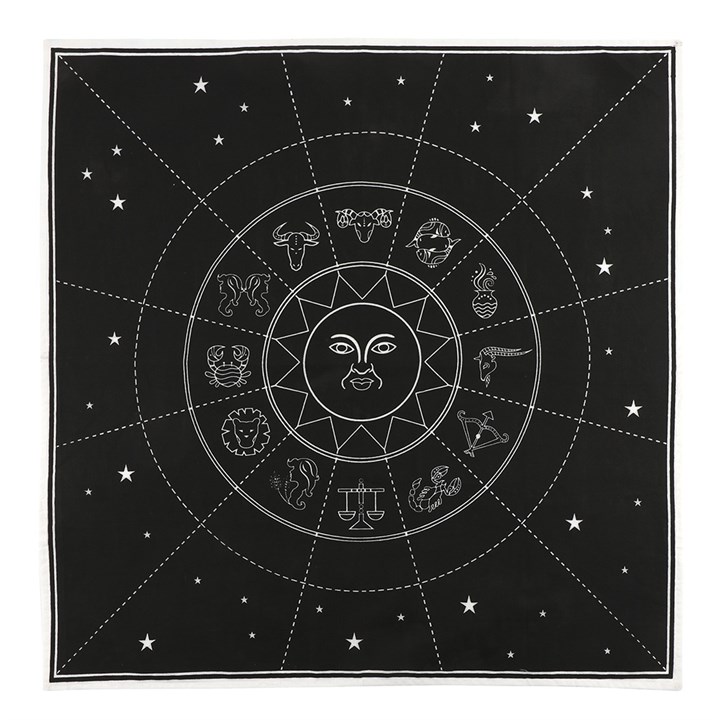
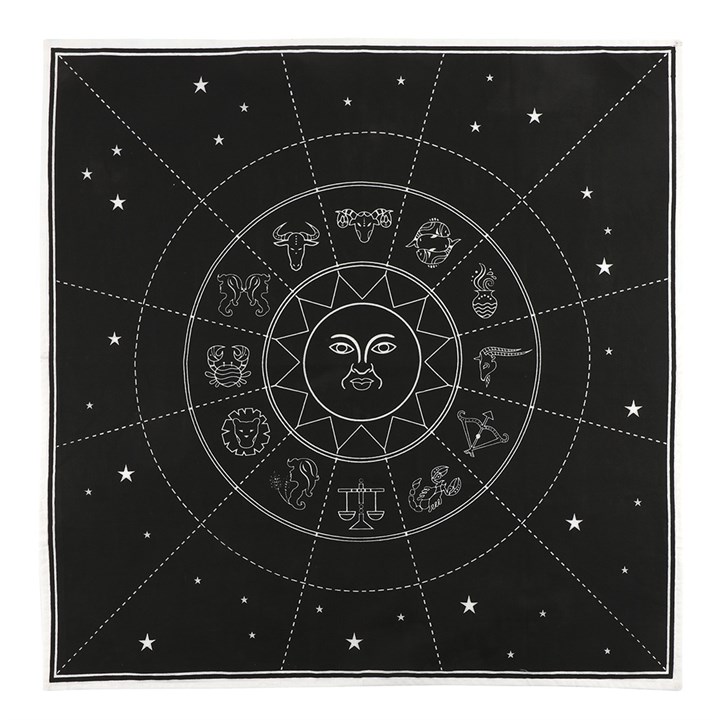 70x70cm Star Sign Altar Cloth£13.99Shop Now
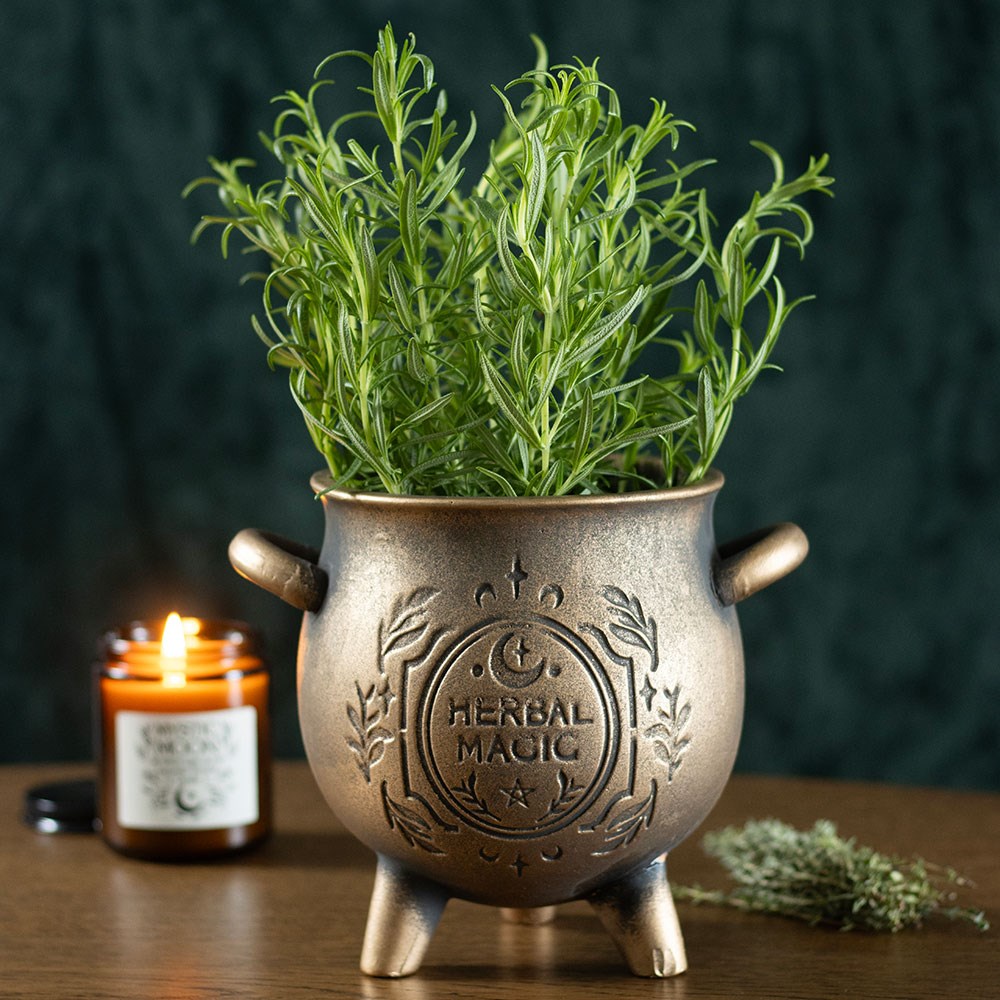 Herbal Magic Bronze Effect Terracotta Cauldron Plant Pot£12.99Shop Now
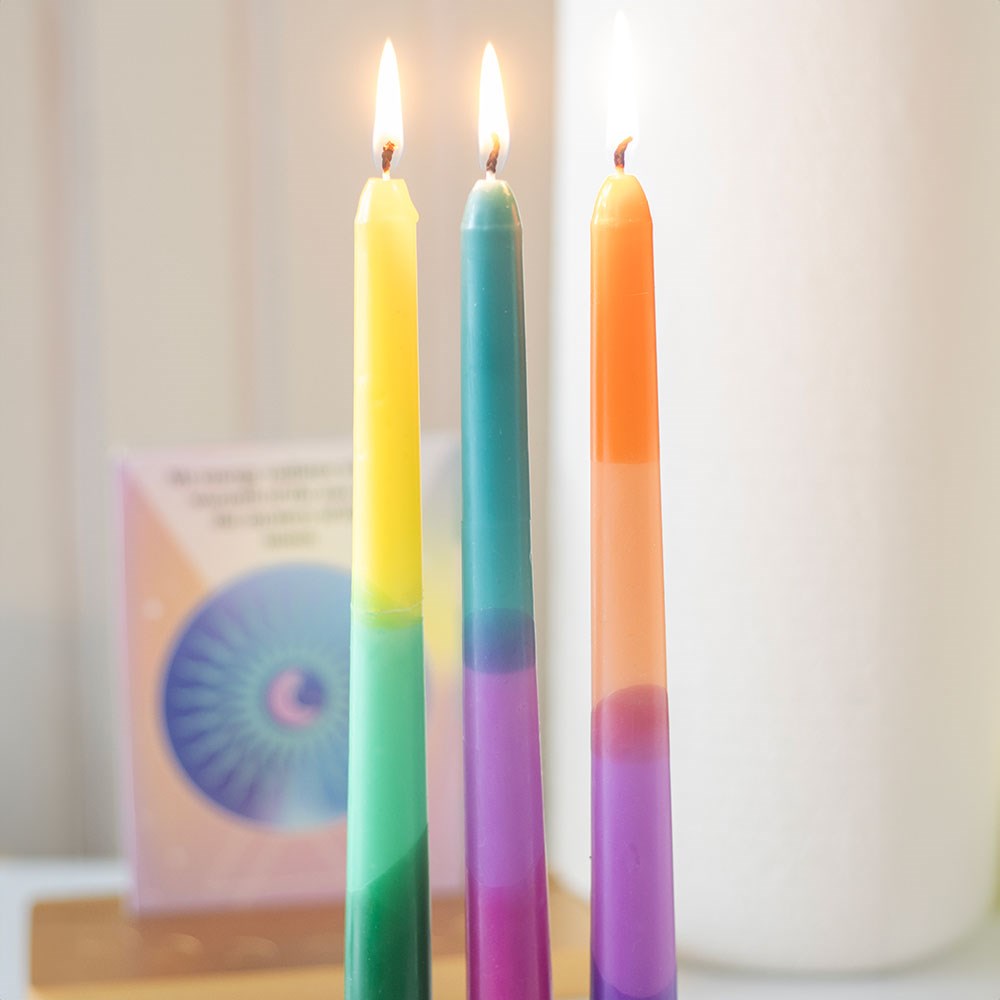 Set of 3 Dipped Aura Energy Taper Candles£9.99Shop Now
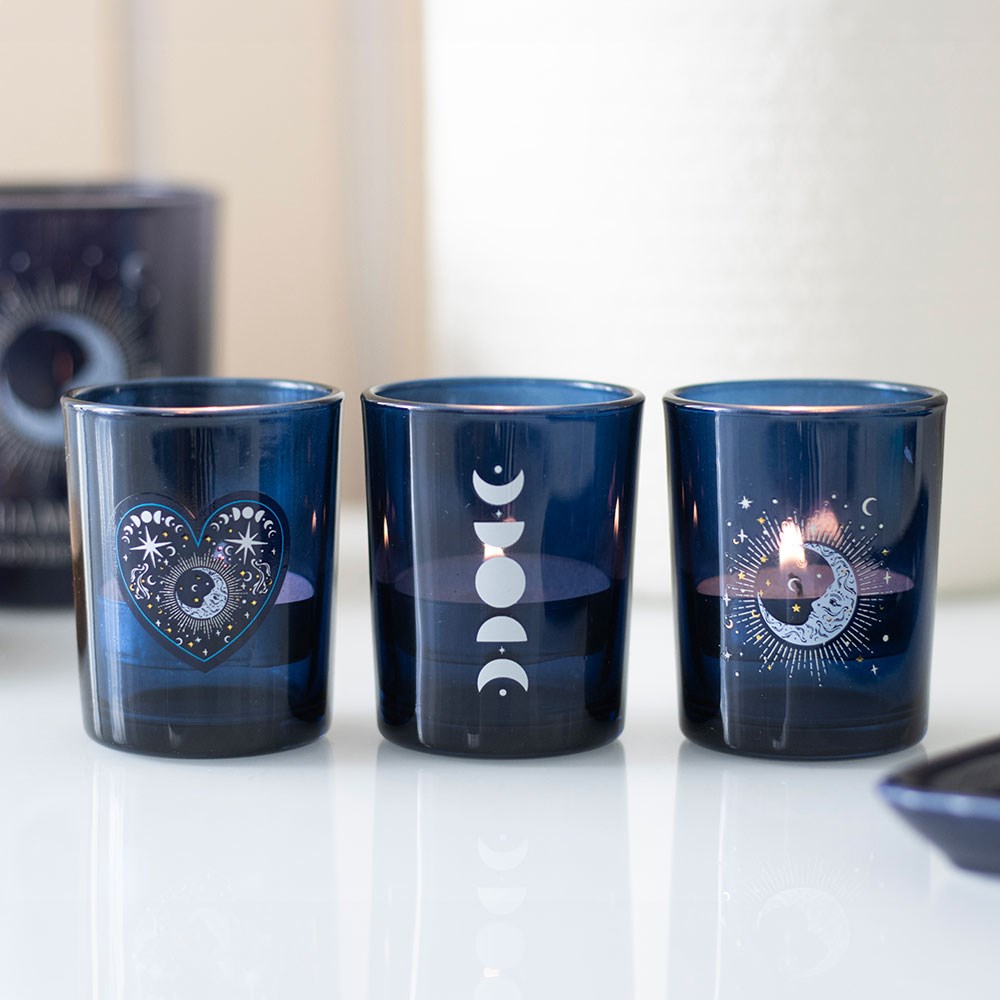 Set of 3 Blue Moon Votive Candle Holders£8.99Shop Now
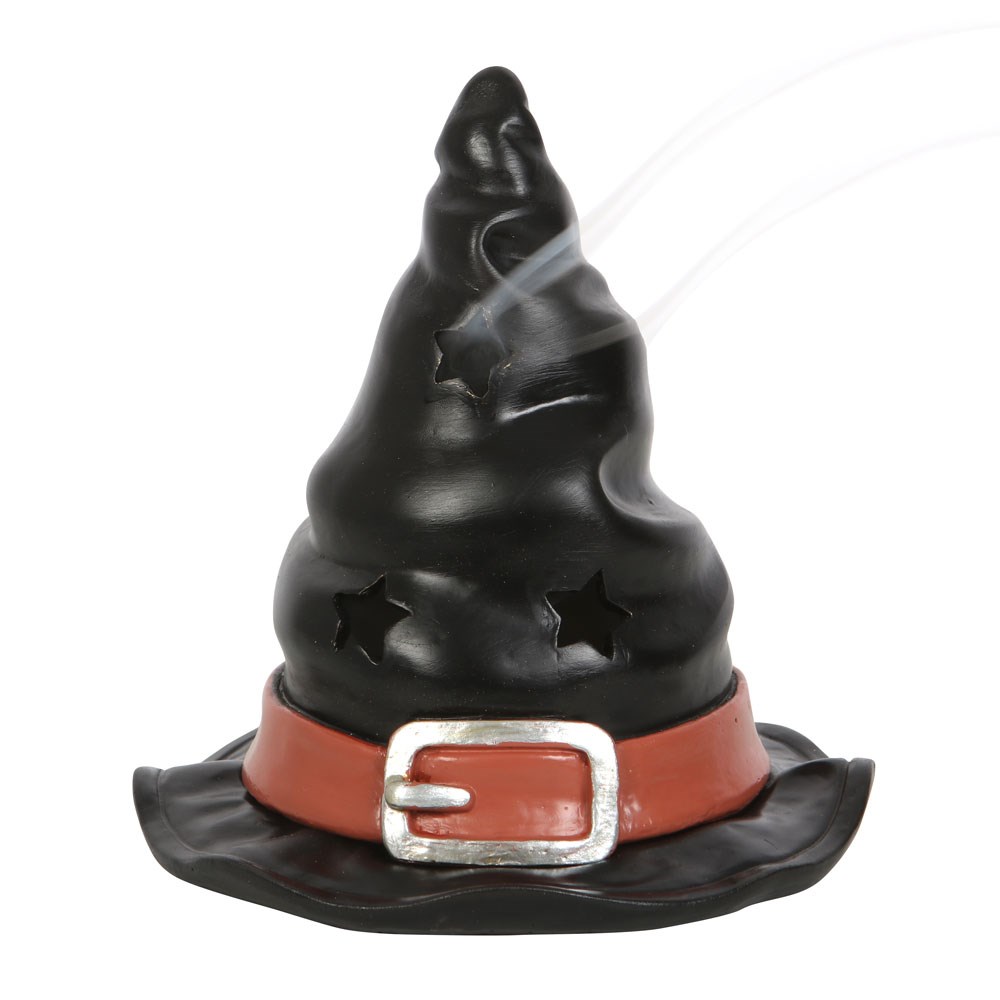 Witch Hat Incense Cone Burner£9.99Shop Now
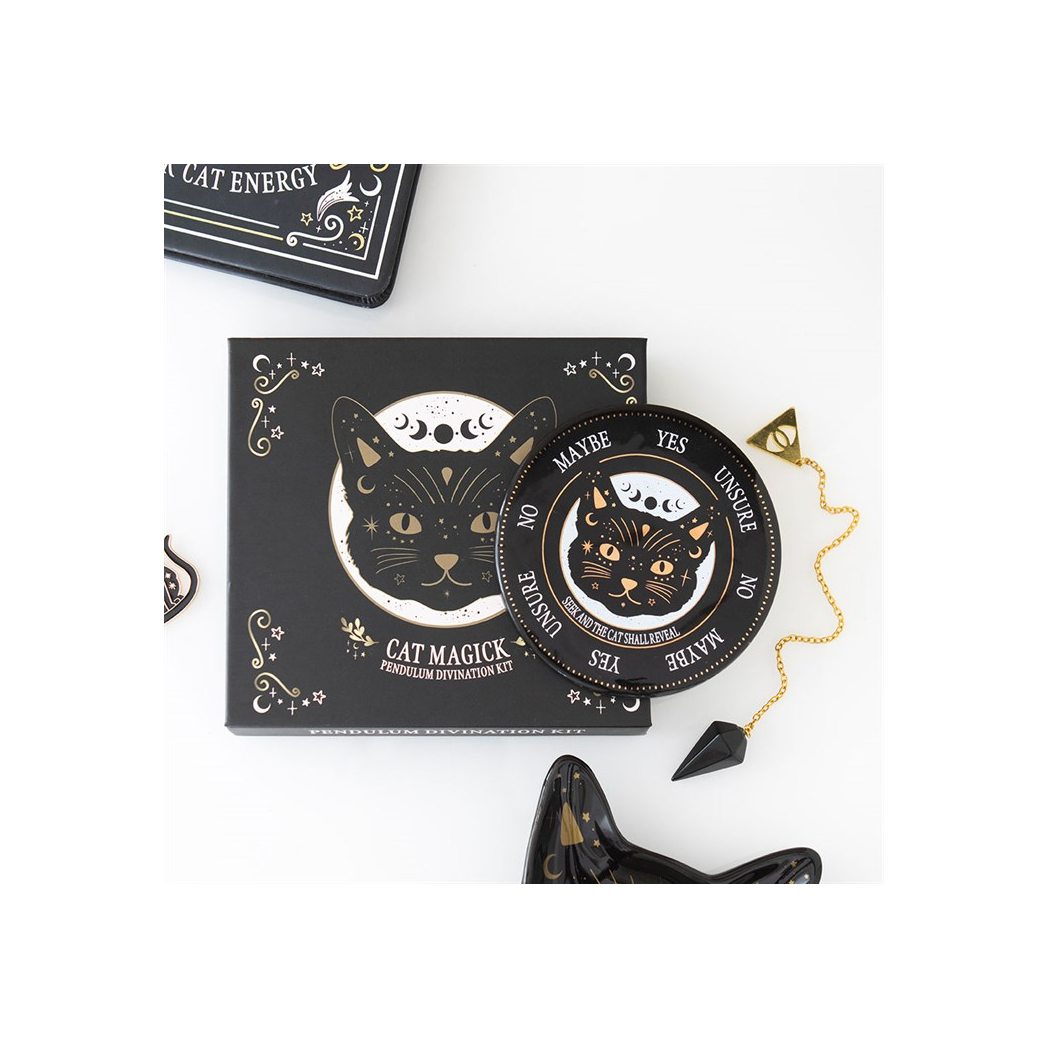 Black Cat Magick Pendulum Divination Kit£21.99Shop Now
